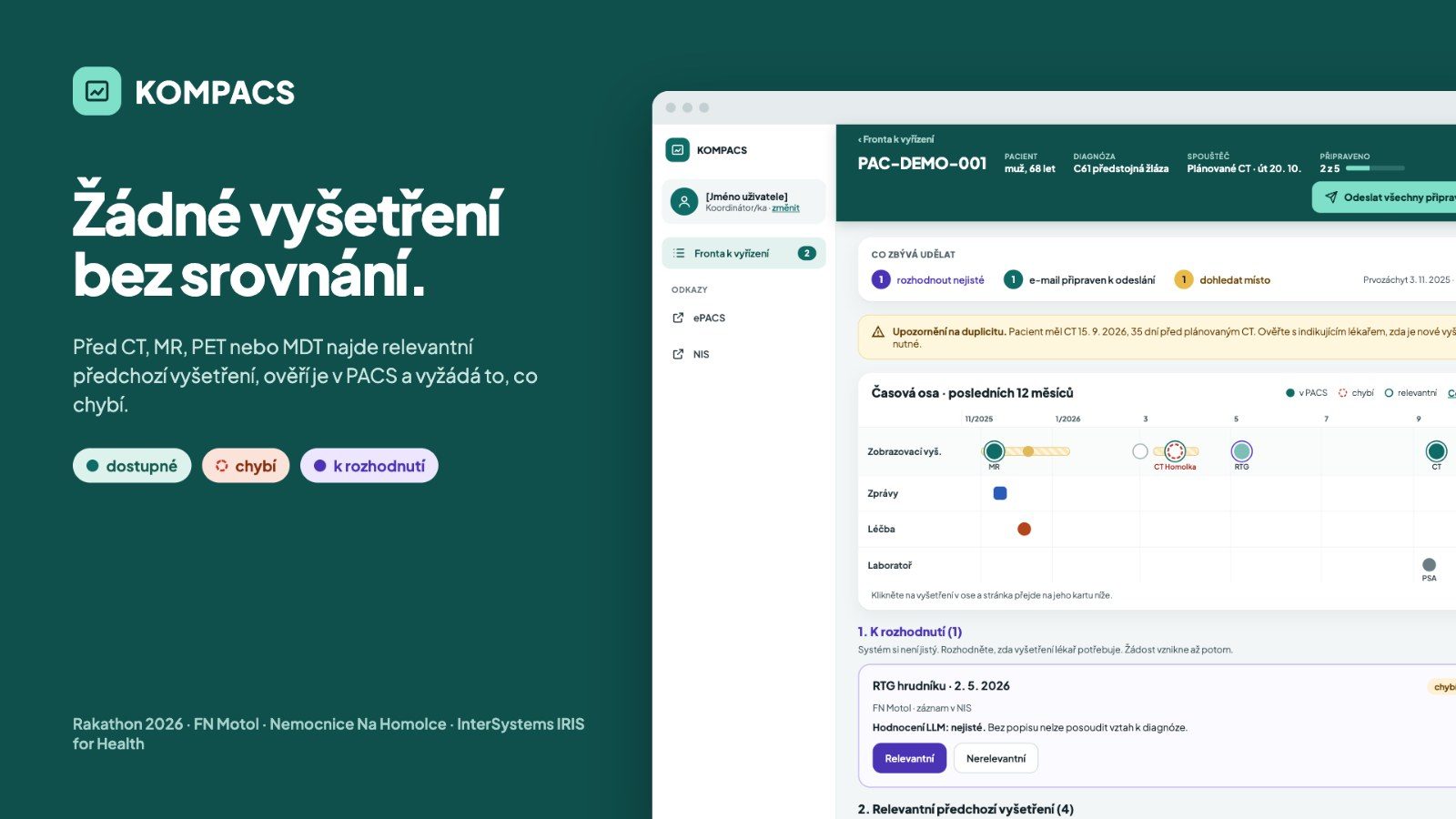
KOMPACS – PACS Comparator
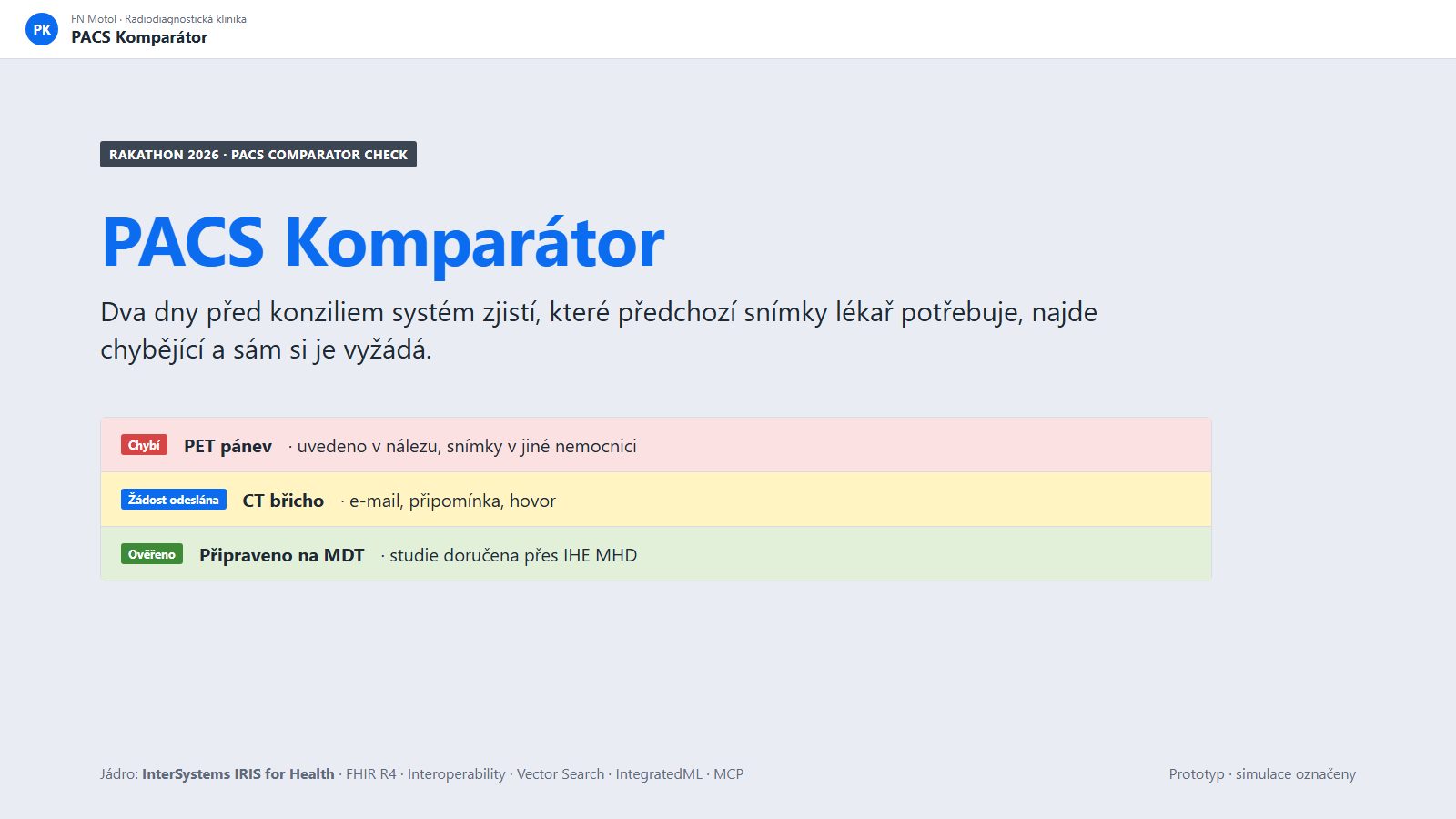
KOMPACS retrieves previous CT, MRI and PET scans, as well as other relevant images required prior to an examination or MDT, checks the PACS system and requests any missing data.

What teams built in 24 hours in Prague, Brno and Ostrava.
Showing 65 projects

KOMPACS retrieves previous CT, MRI and PET scans, as well as other relevant images required prior to an examination or MDT, checks the PACS system and requests any missing data.

Local report processing, extraction of oncology data, export to HL7 FHIR and NOR forms. Ready for real-world deployment and other applications.
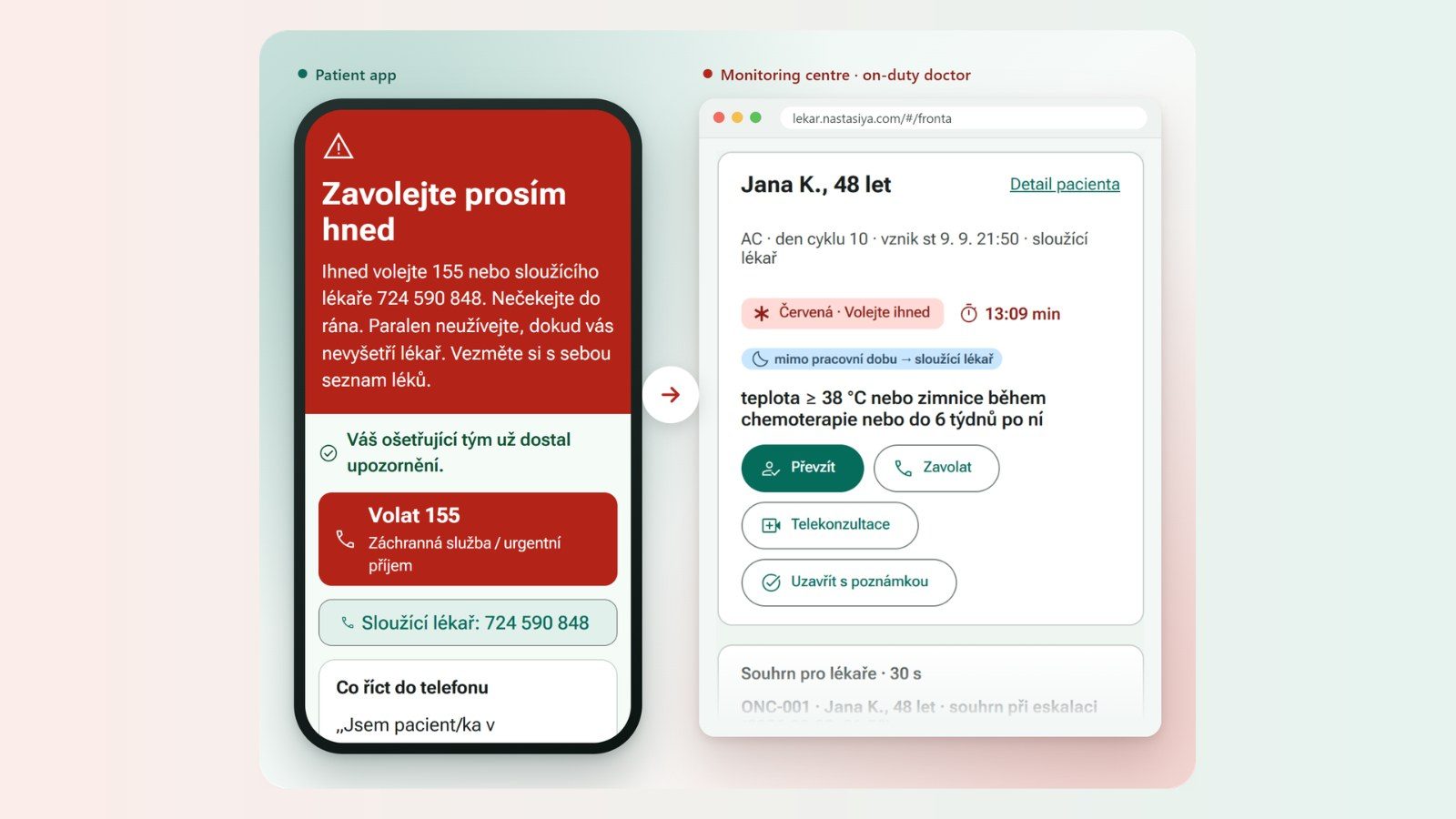
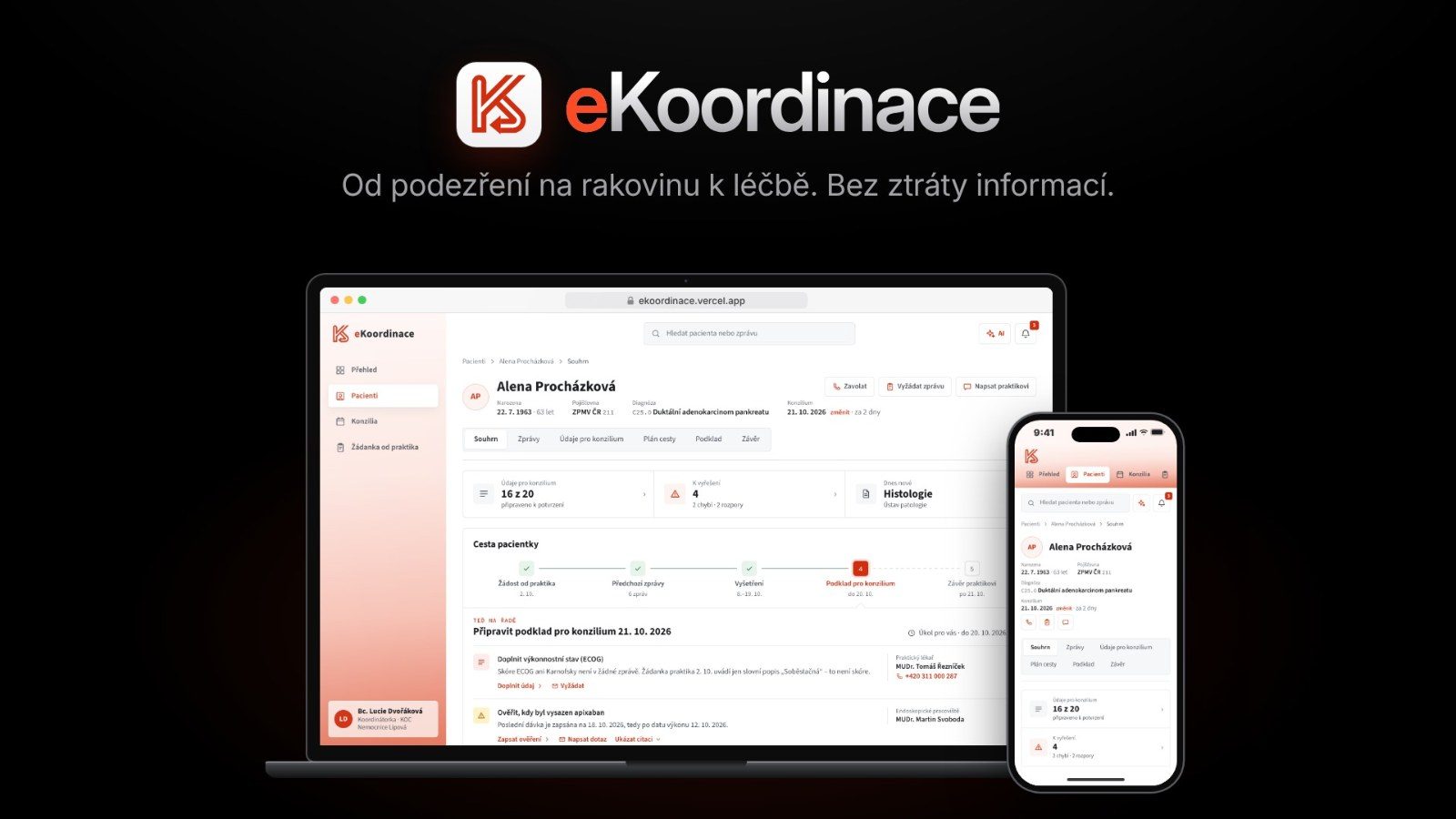
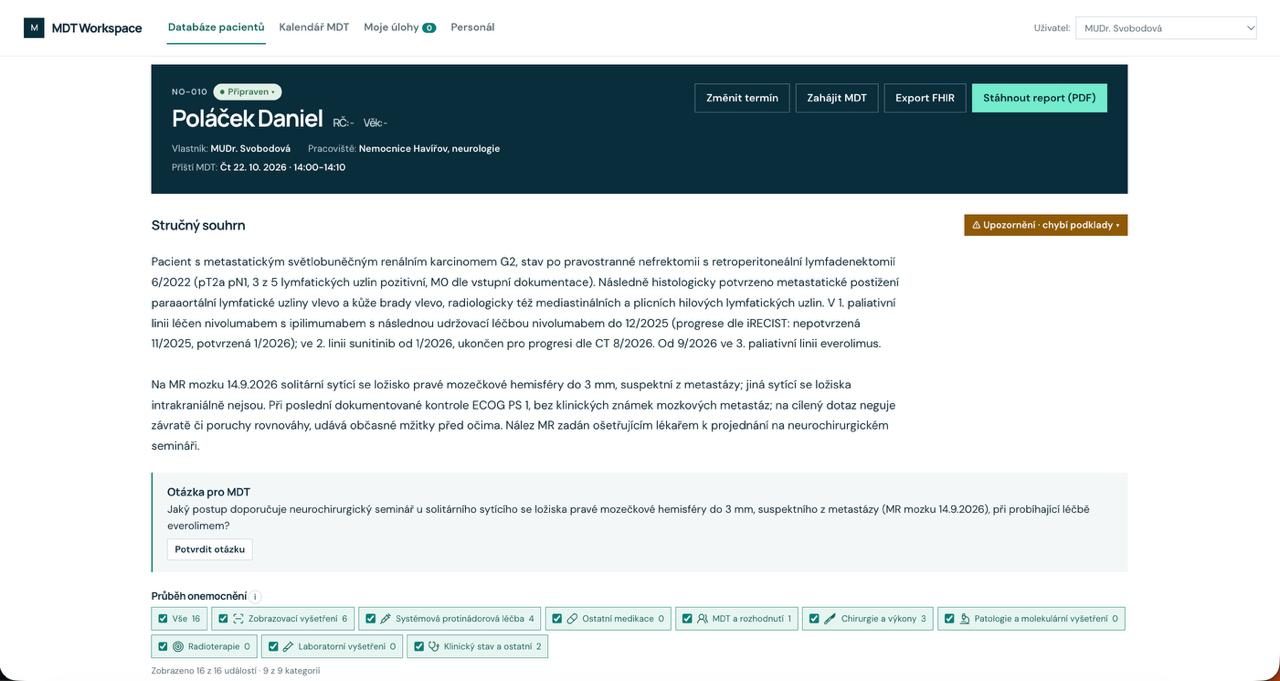
We are addressing the issue of unsystematic and time-consuming patient preparation prior to the multidisciplinary team (MDT) meeting, as well as the monitoring of patients before and after surgery.
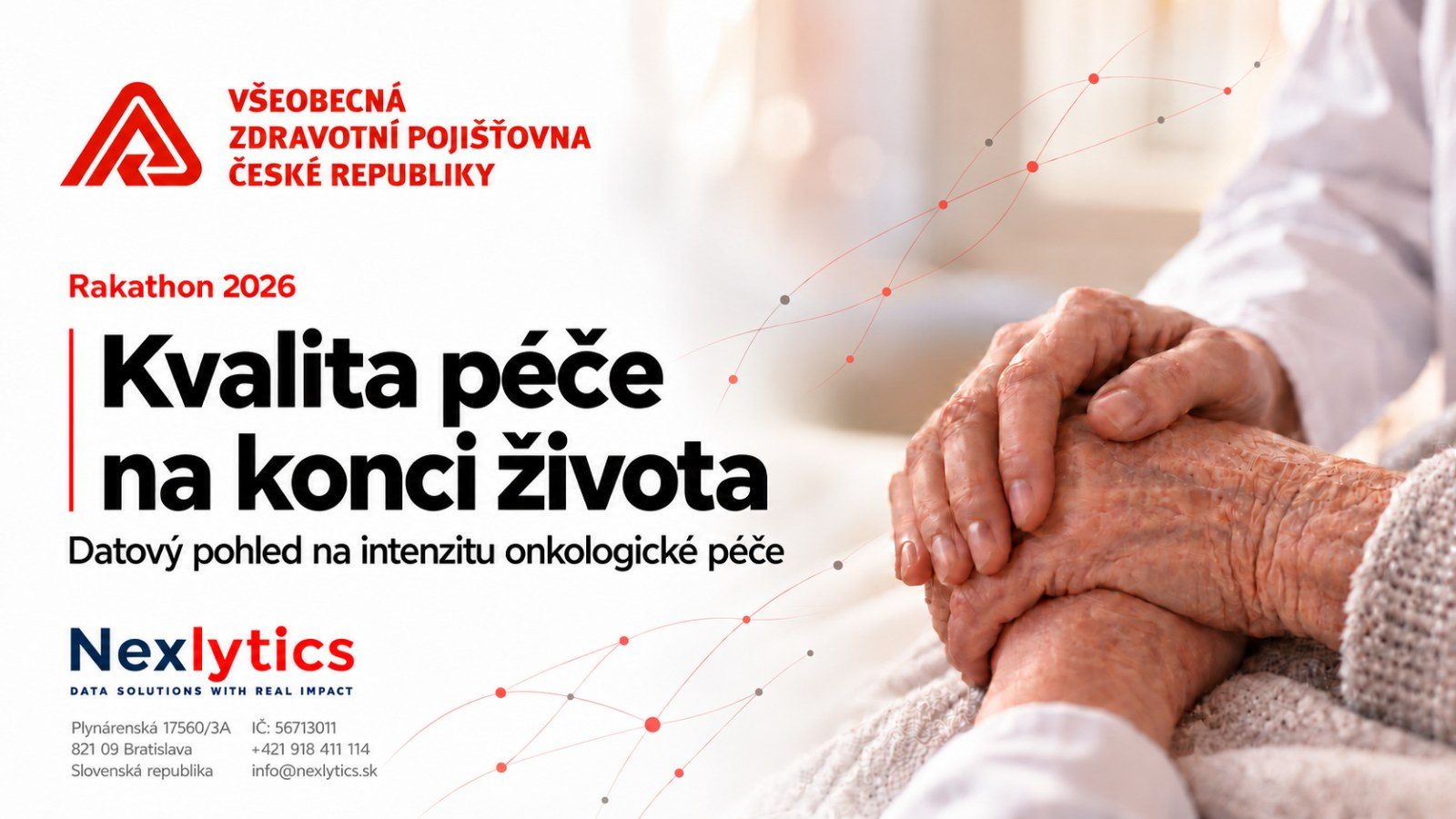
A dashboard that will help VZP identify ineffective treatment for palliative care patients and improve the quality of their end-of-life care.

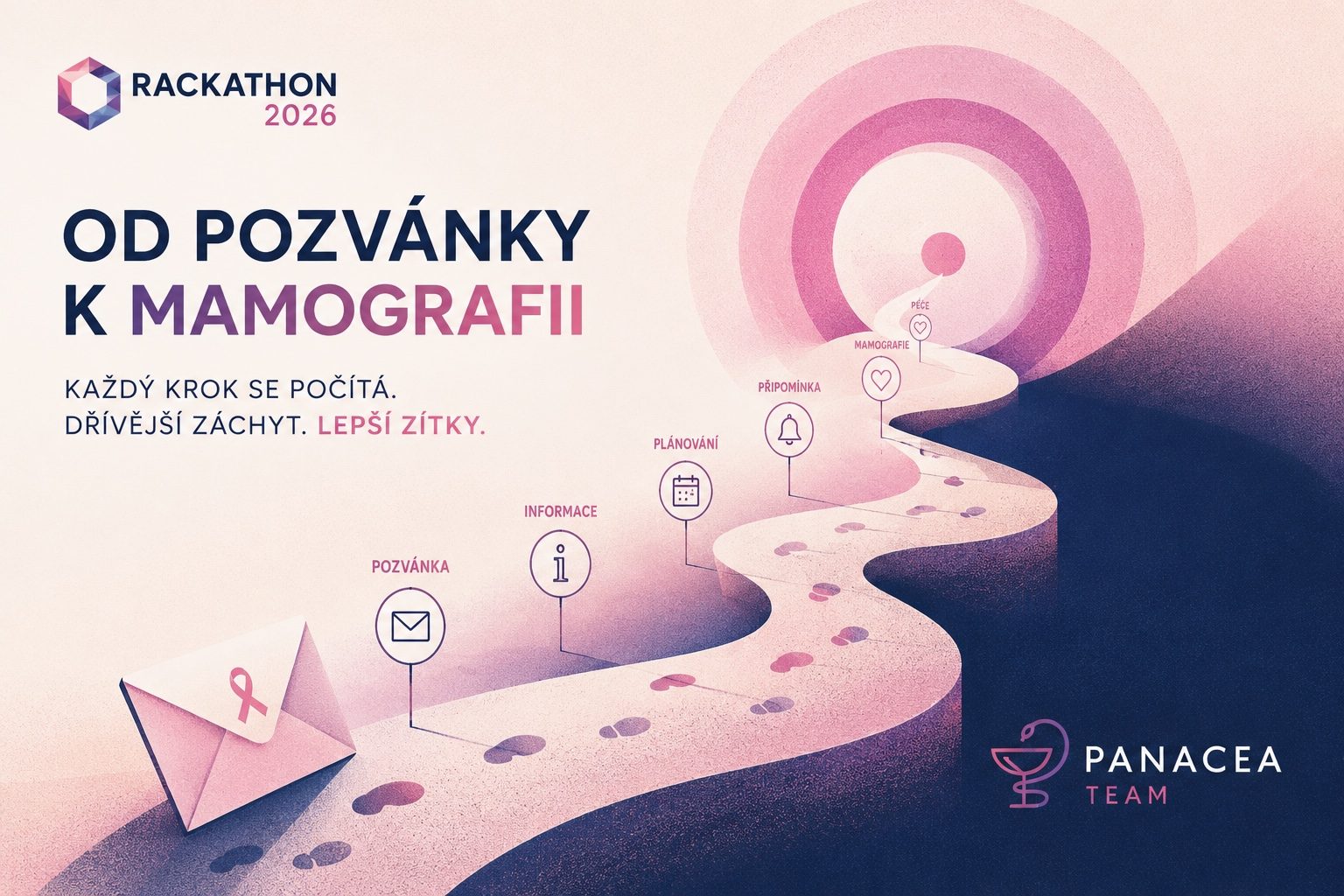
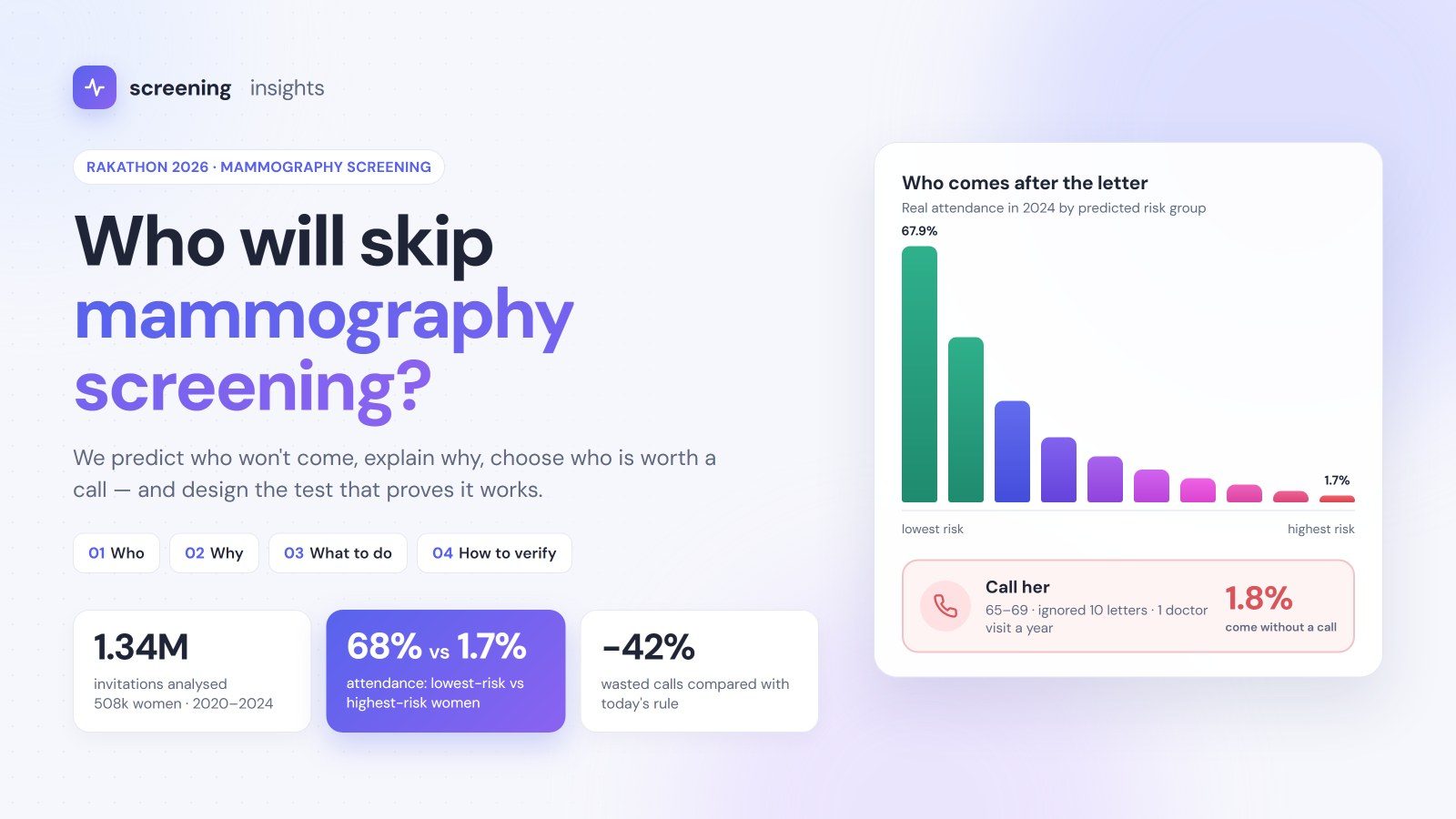
We predict who will not attend mammography screening, explain why, and select an appropriate intervention for each woman. We store all this information in FHIR within IRIS.

Proposed interventions to facilitate patients to come to mammography with higher probability

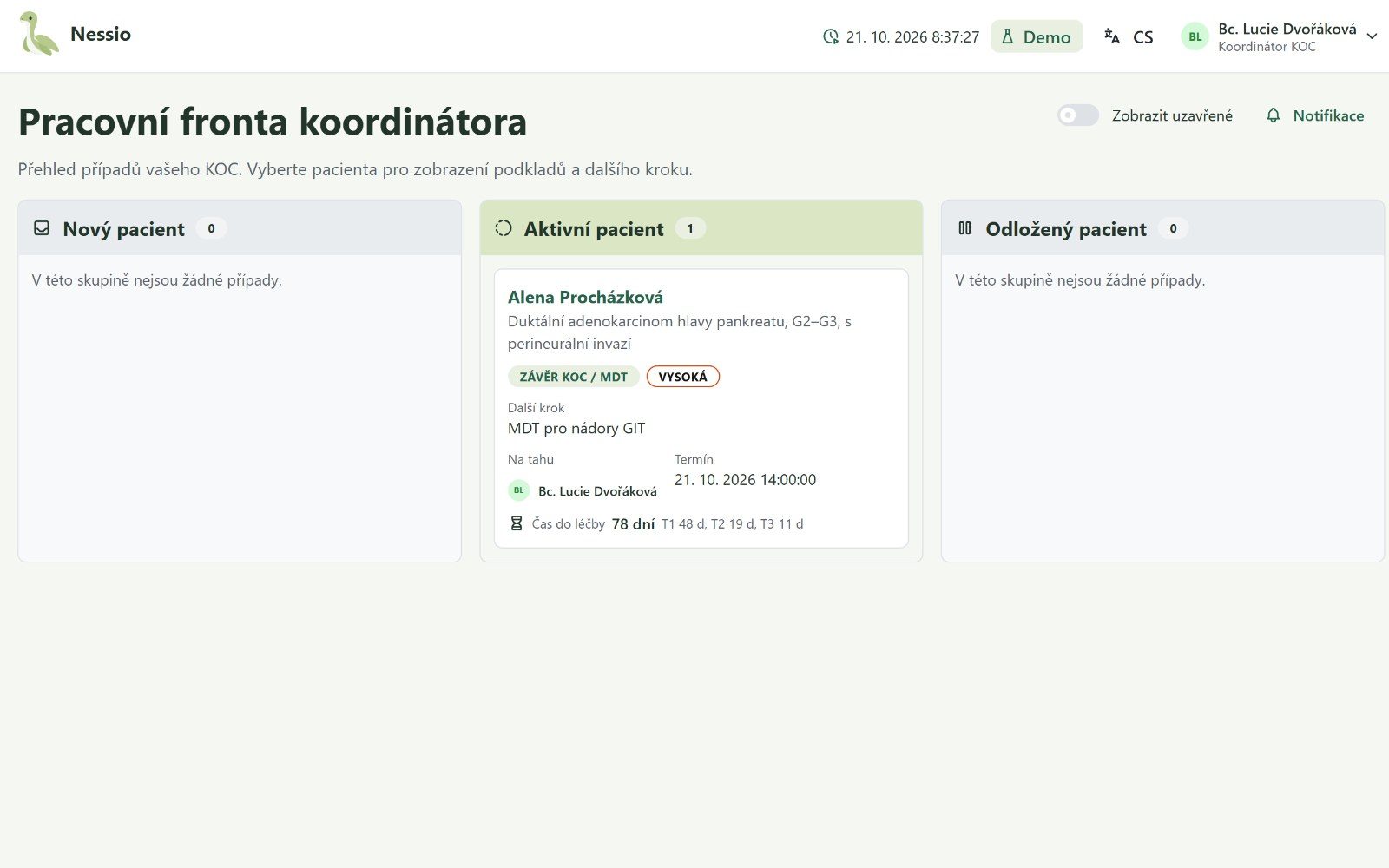
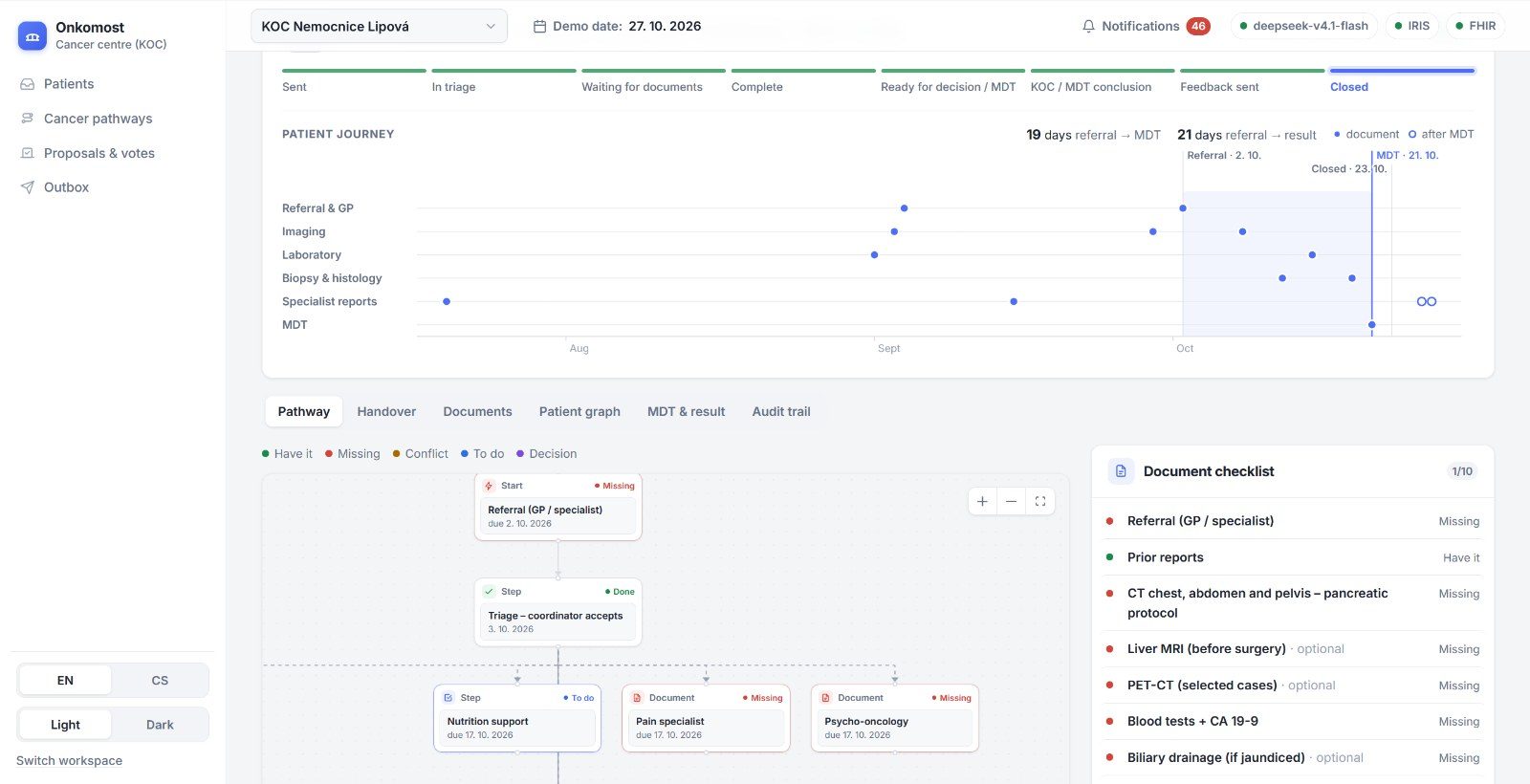
Using AI, Nessio links medical reports, identifies missing data and monitors the next steps in cancer care.

From 10 to 15 reports from seven centres, he will compile background material for the oncology consultation, citing the source for each piece of information, and highlight any omissions or contradictions.

Connecting patients to clinical trials and oncology centers to one another.

Active monitoring of health, early identification of risks and more effective communication between patients and doctors.

Before the consultation, the AI analyses the findings to determine which previous images the doctor needs, locates them and requests any missing ones itself.

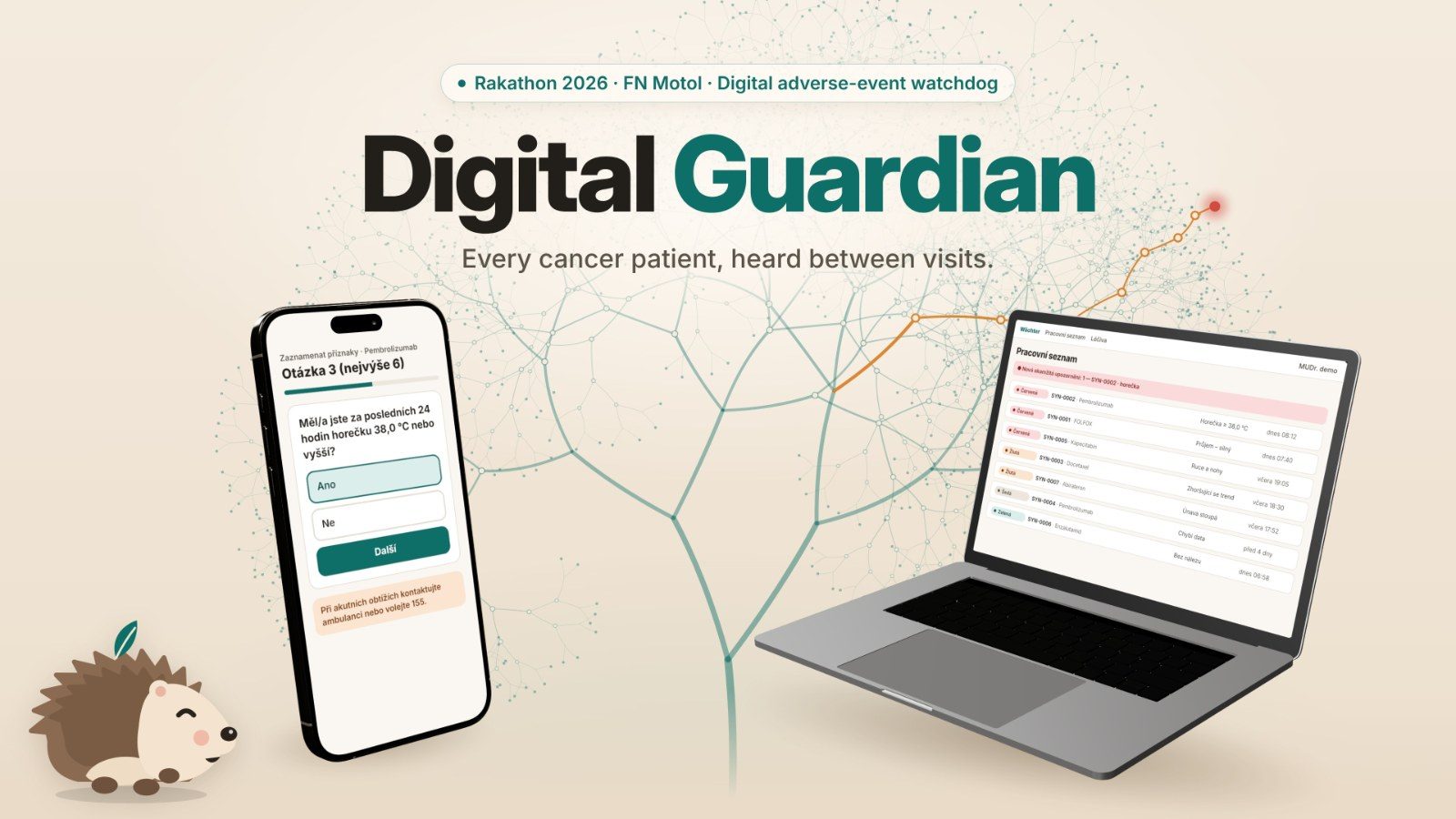
We monitor the condition of cancer patients between check-ups and track side effects using a simple, adaptive questionnaire and smartwatches.

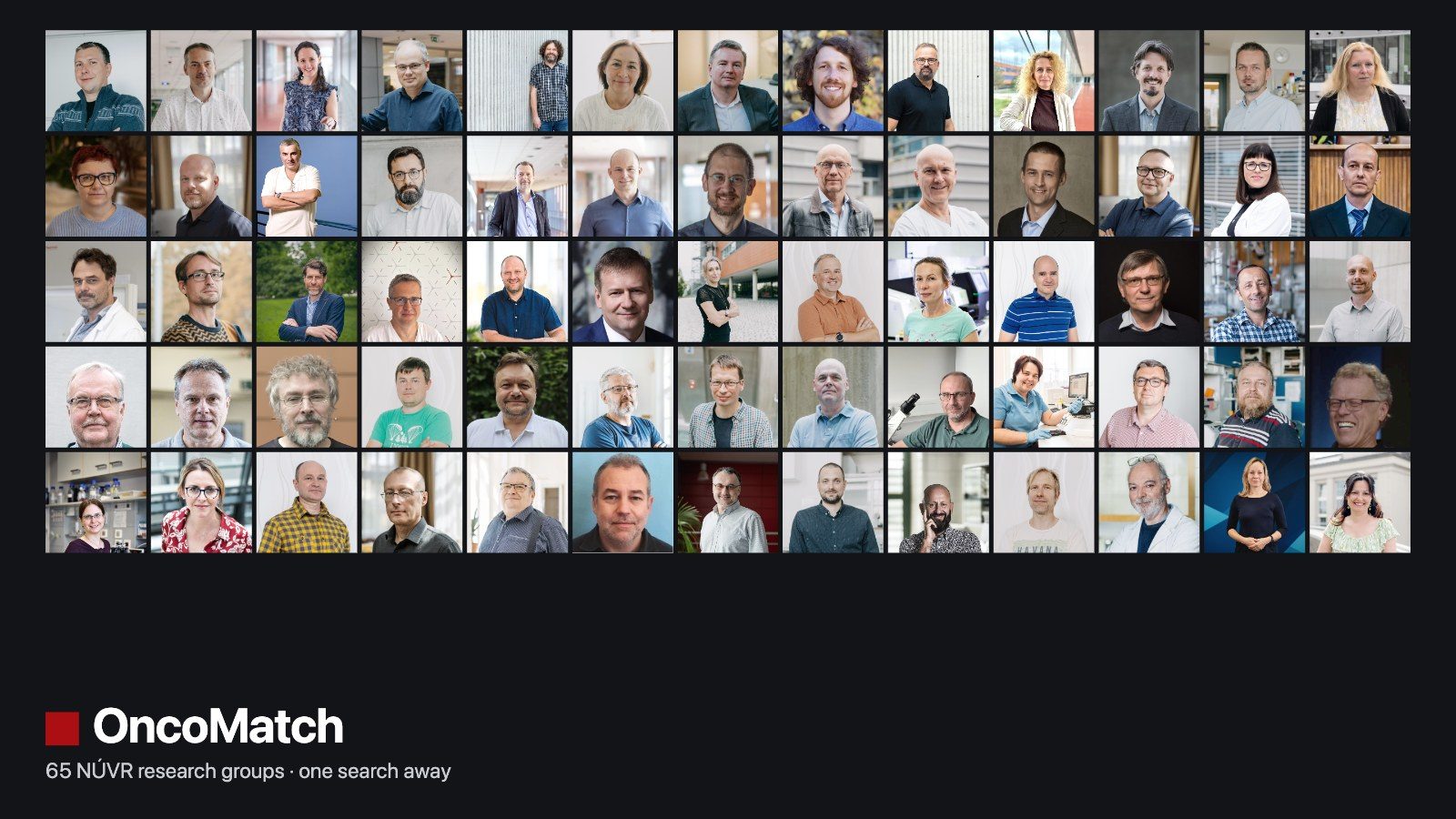
Put forward a hypothesis and you’ll be assigned a team: OncoMatch will find people at the National Institute of Public Health who have a proven track record in this field, as evidenced by their publications.

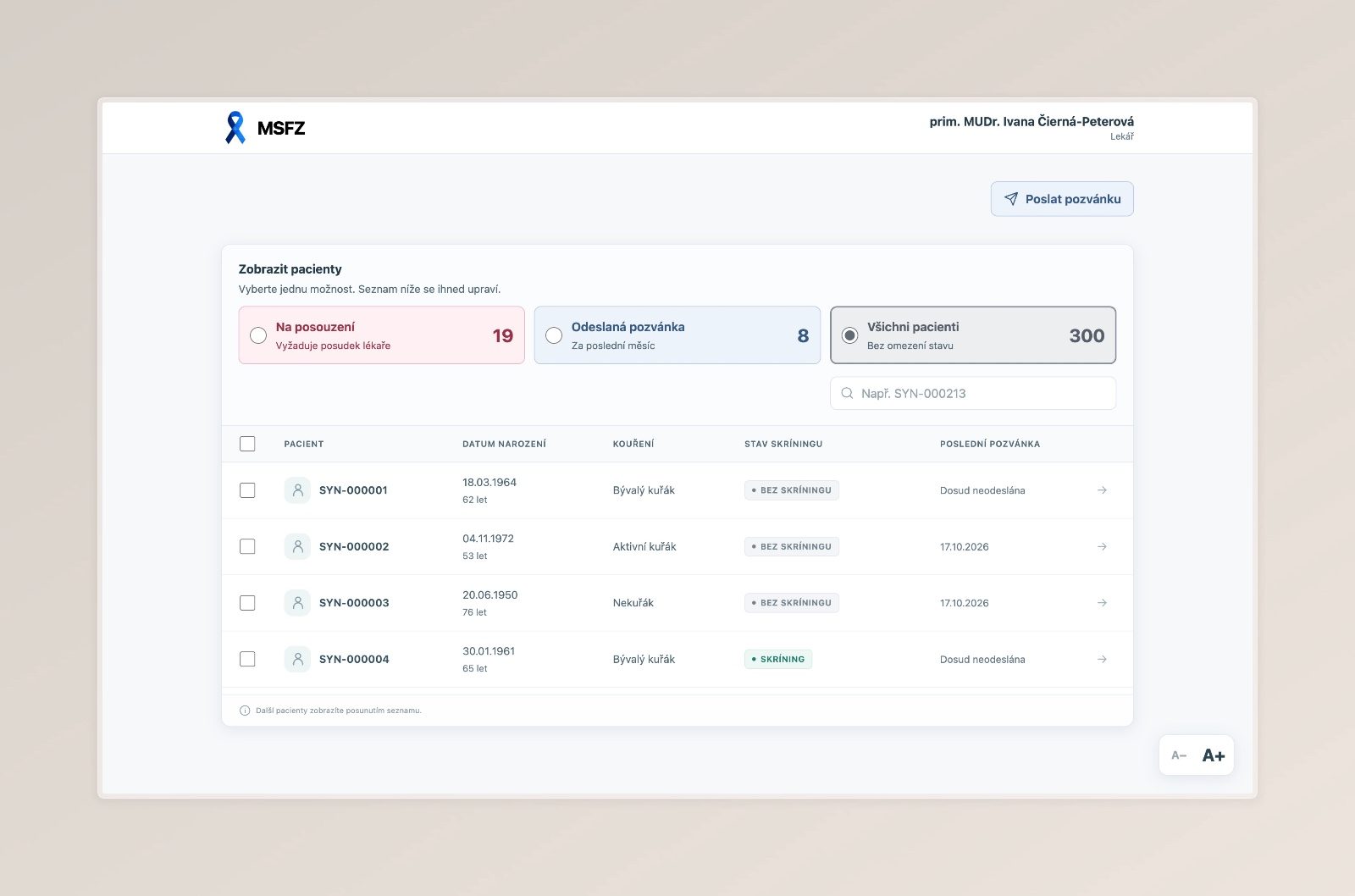
An intuitive system for GPs that enables the automated management of invitations to lung screening.

The patient takes photos of the documents from the doctors in any order. The ambulance service reads them straight away and starts preparing sooner, so anaemia is detected in time.

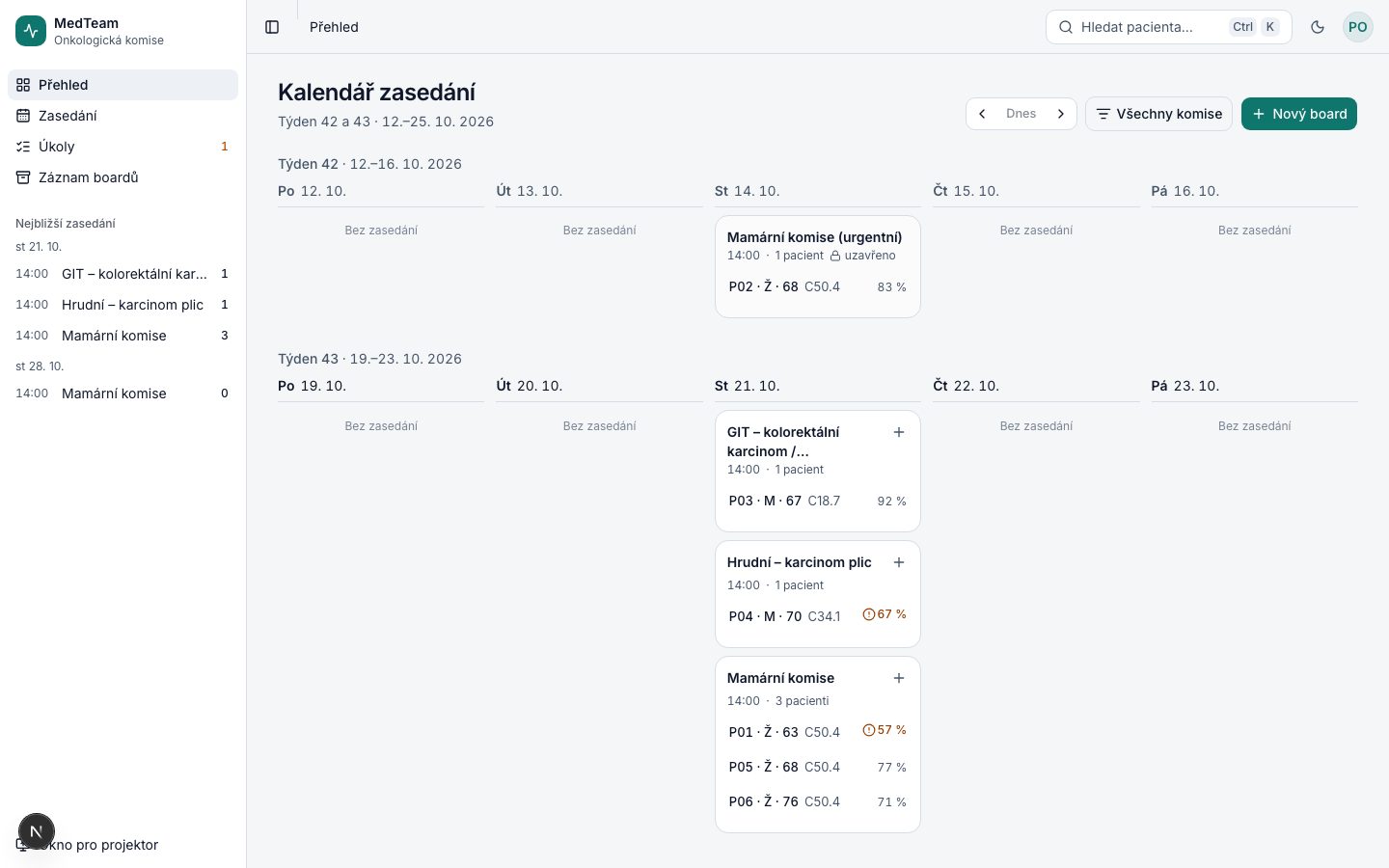
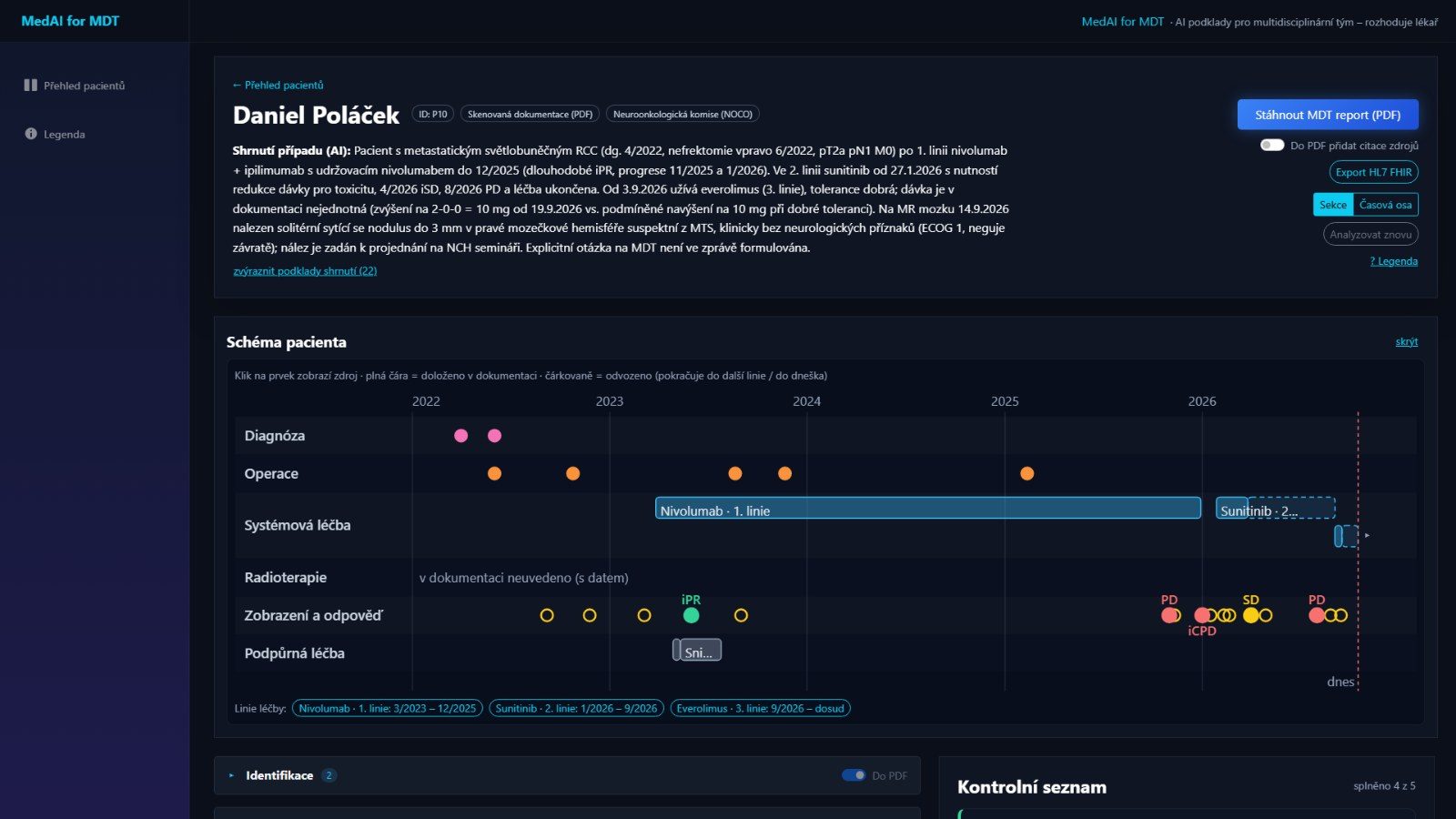
MedTeam uses AI to prepare oncology cases for the multidisciplinary committee. The final decision always rests with the doctors.

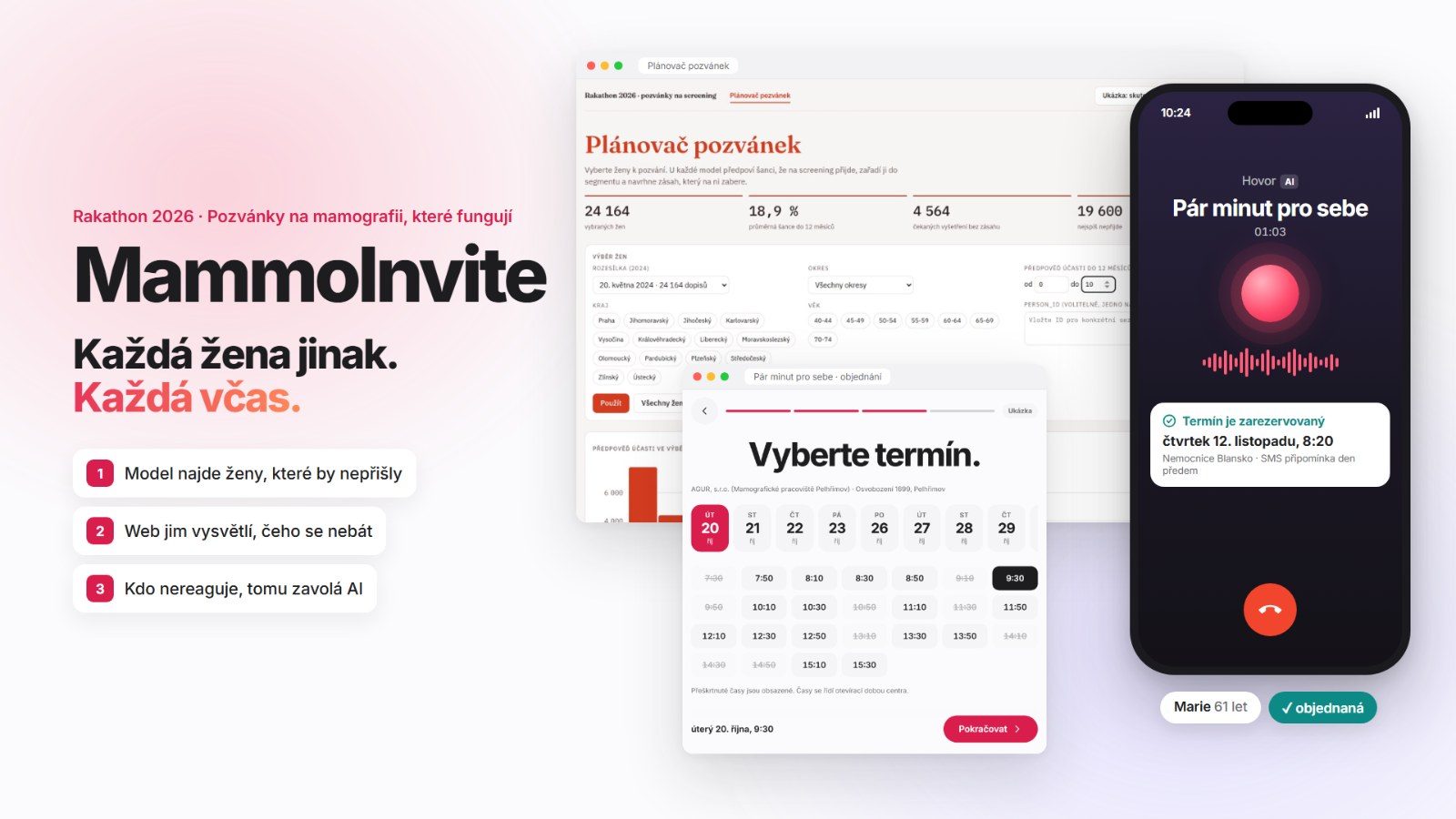
MammoInvite identifies women who are unlikely to attend their mammogram and offers each woman support to ensure she attends on time.

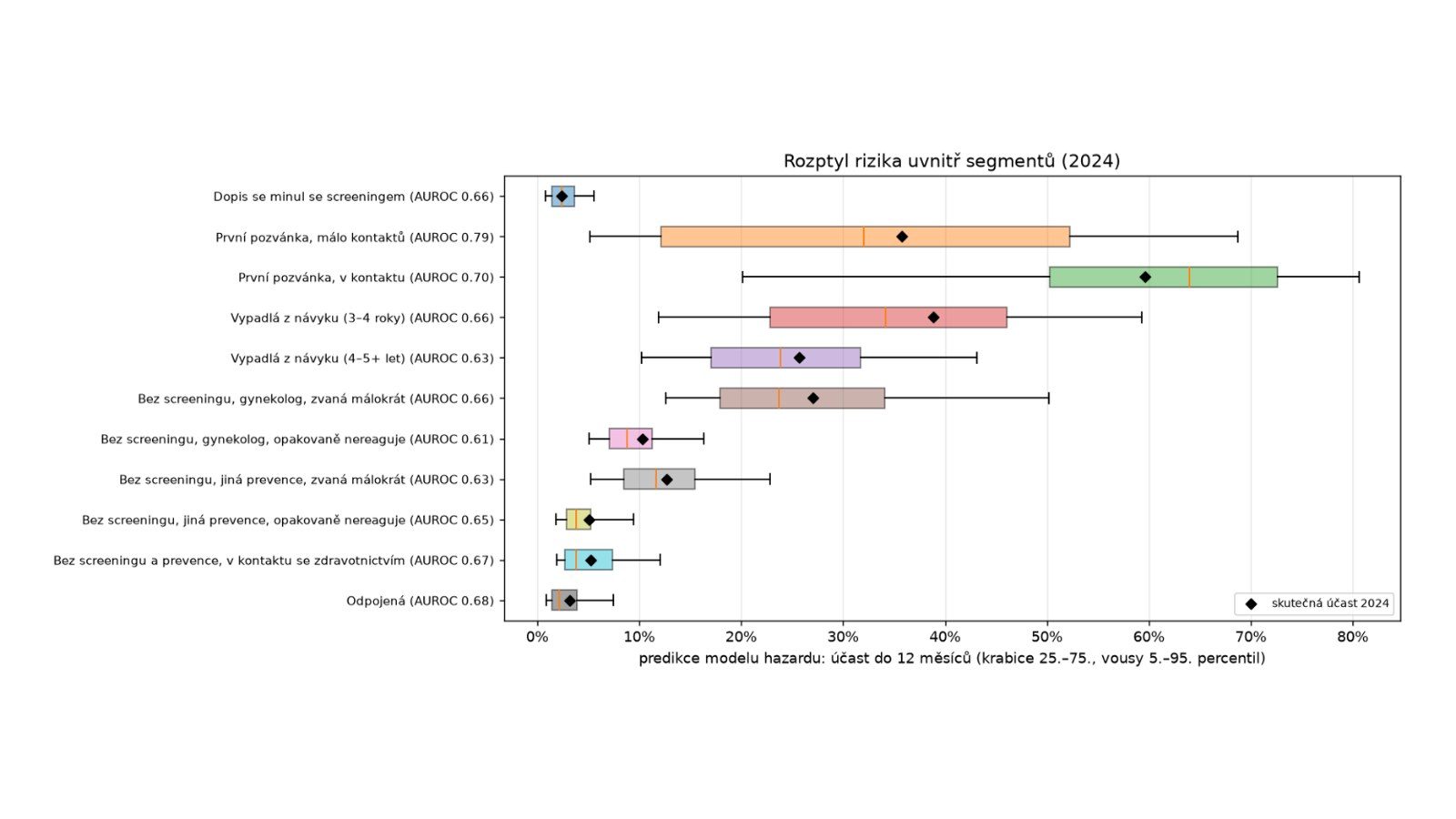
We identify clusters of female patients, recommend appropriate measures to increase screening attendance, and propose more effective communication strategies.

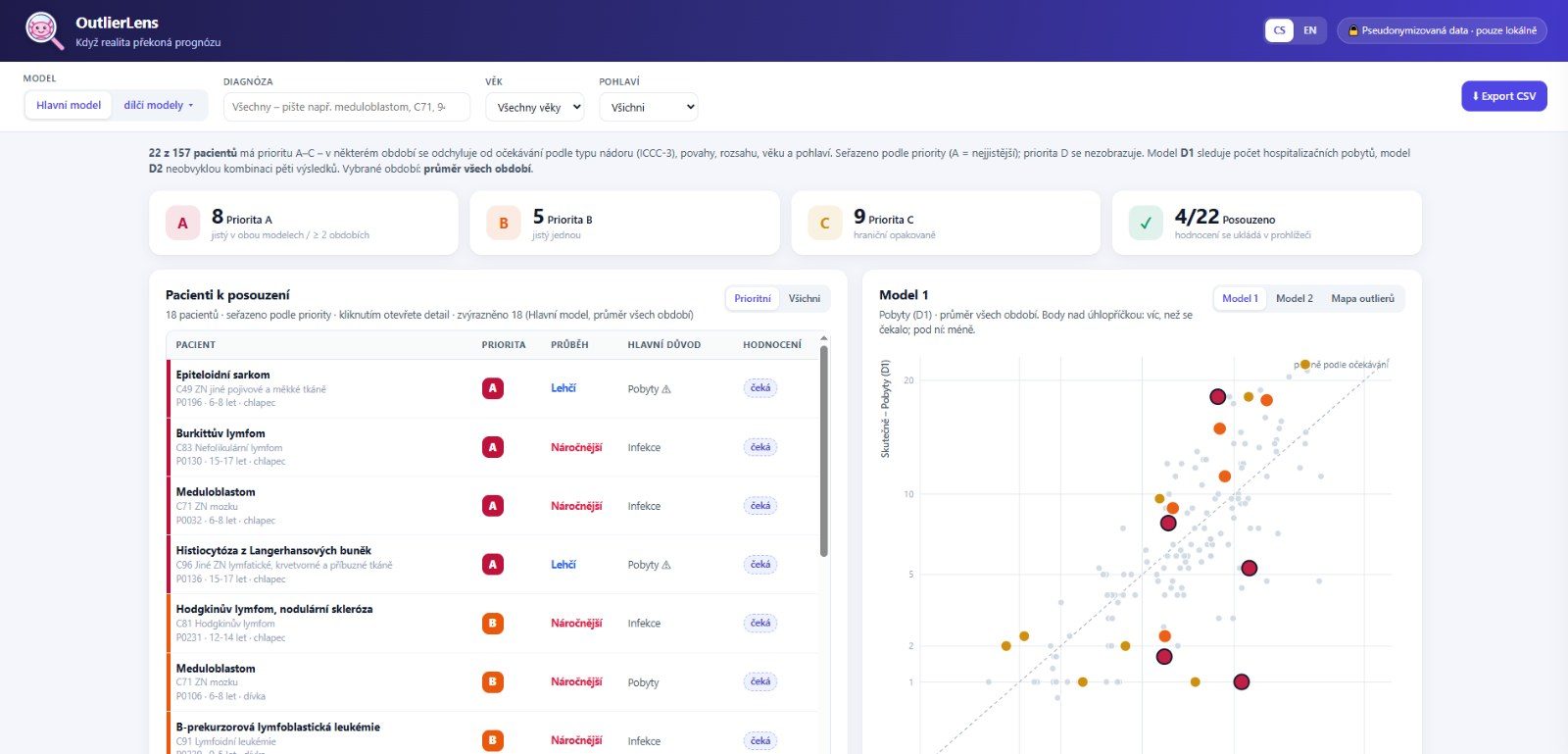
The two models identify patients whose care following diagnosis differs from that of similar patients. The website ranks them in order of priority from A to C and explains why.

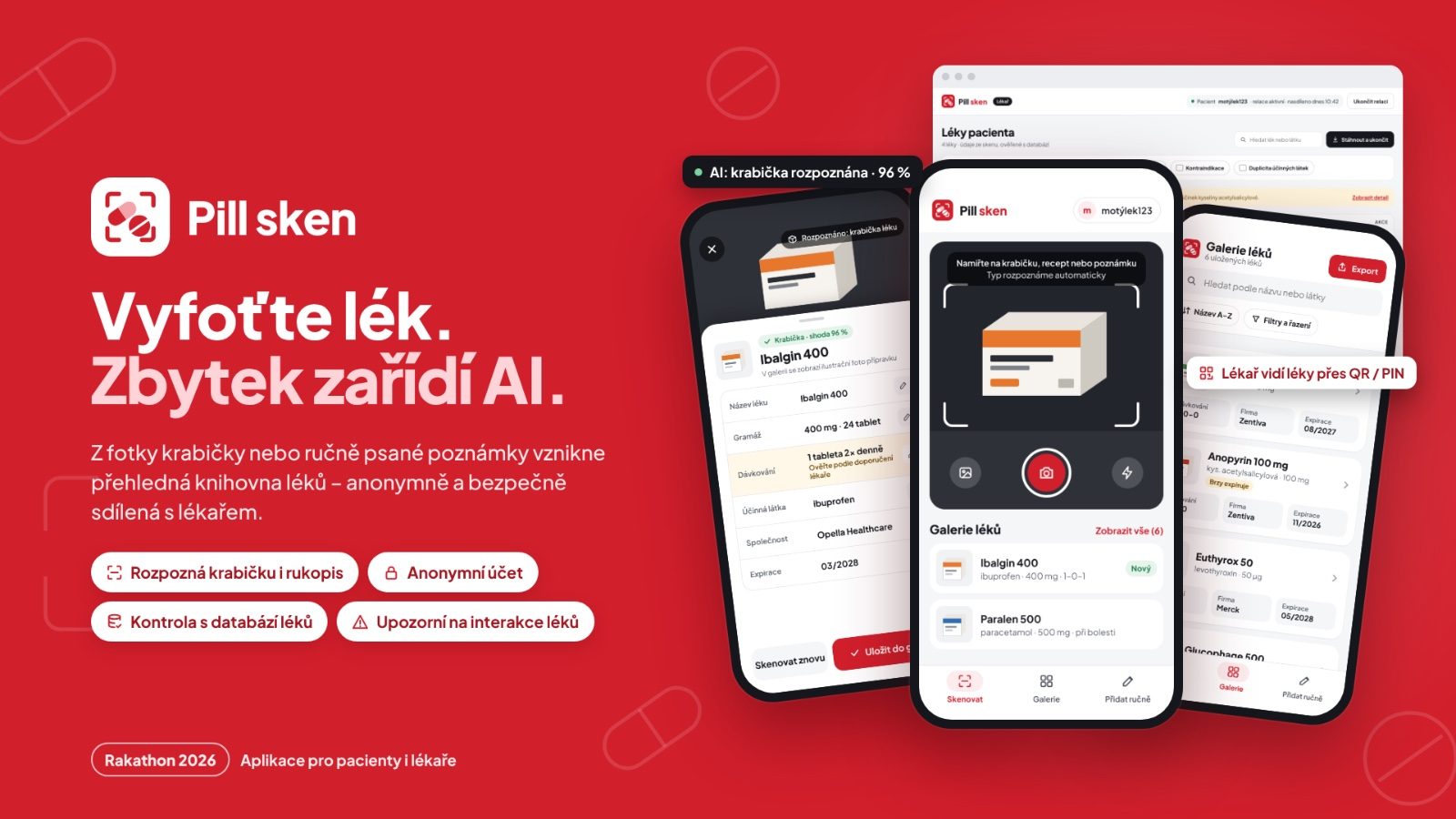
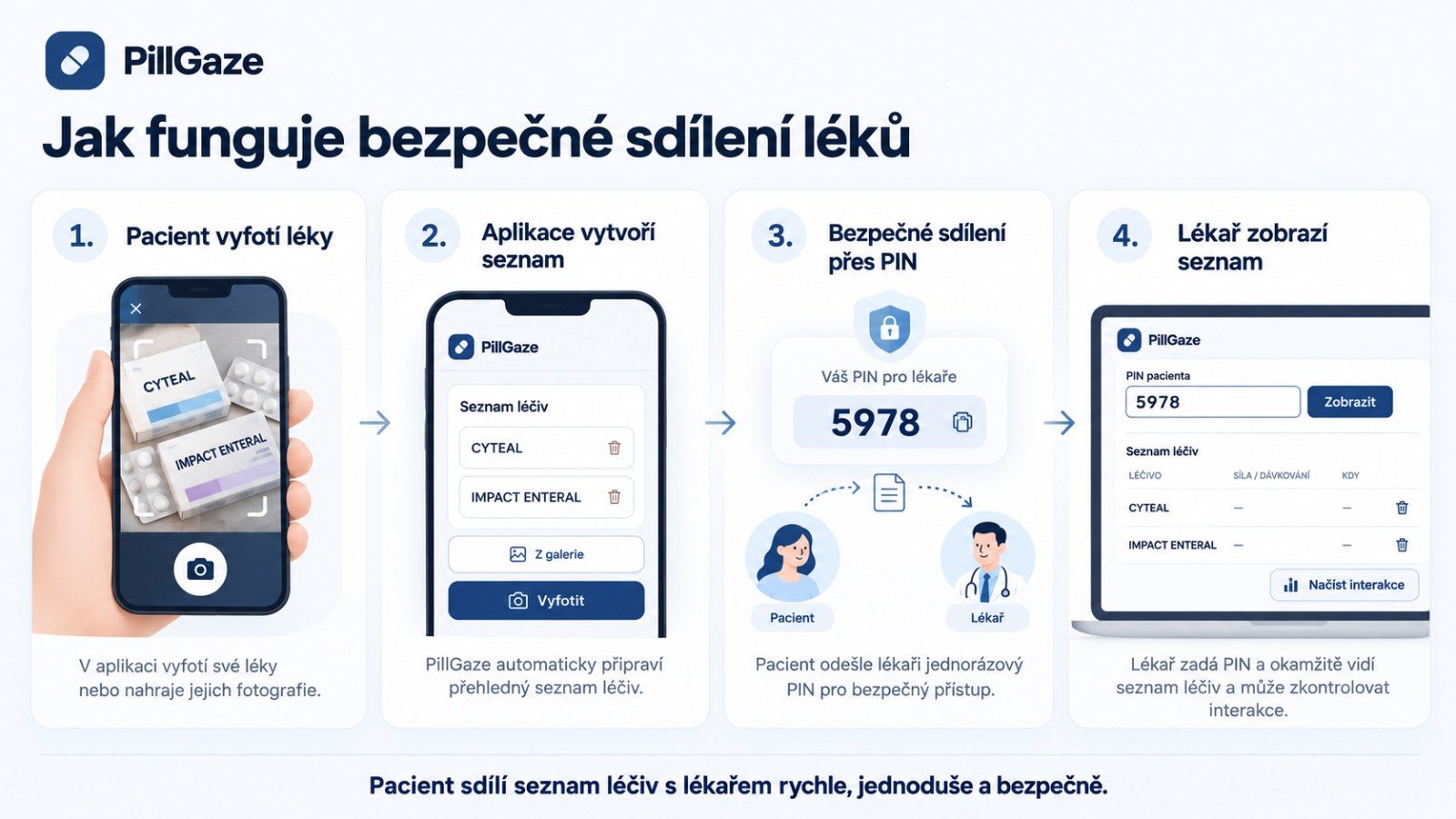
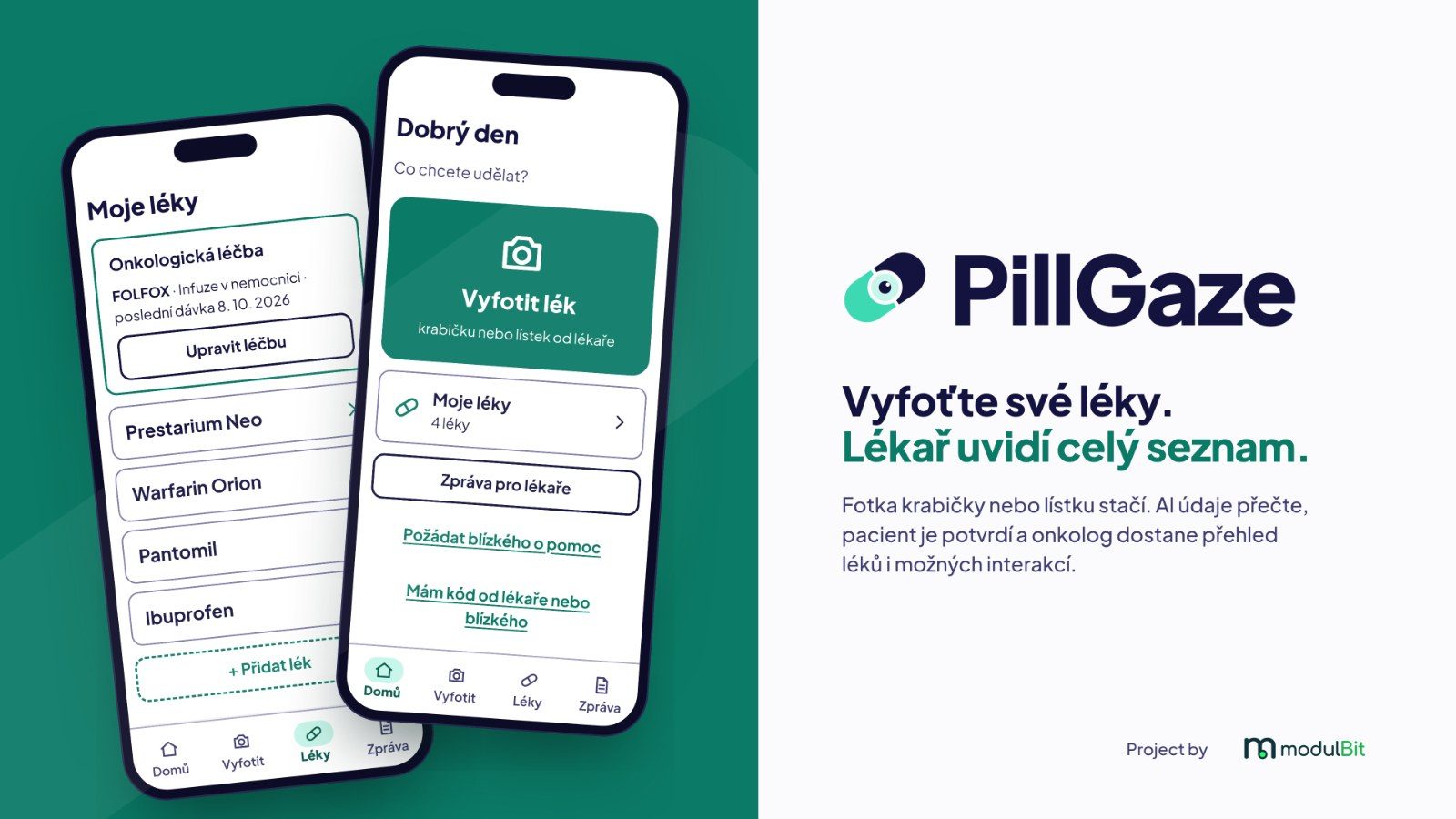
Pill Scan uses AI to convert a photo of a medicine box or a handwritten note into a clear list of medications, which the patient can then safely share with their doctor.

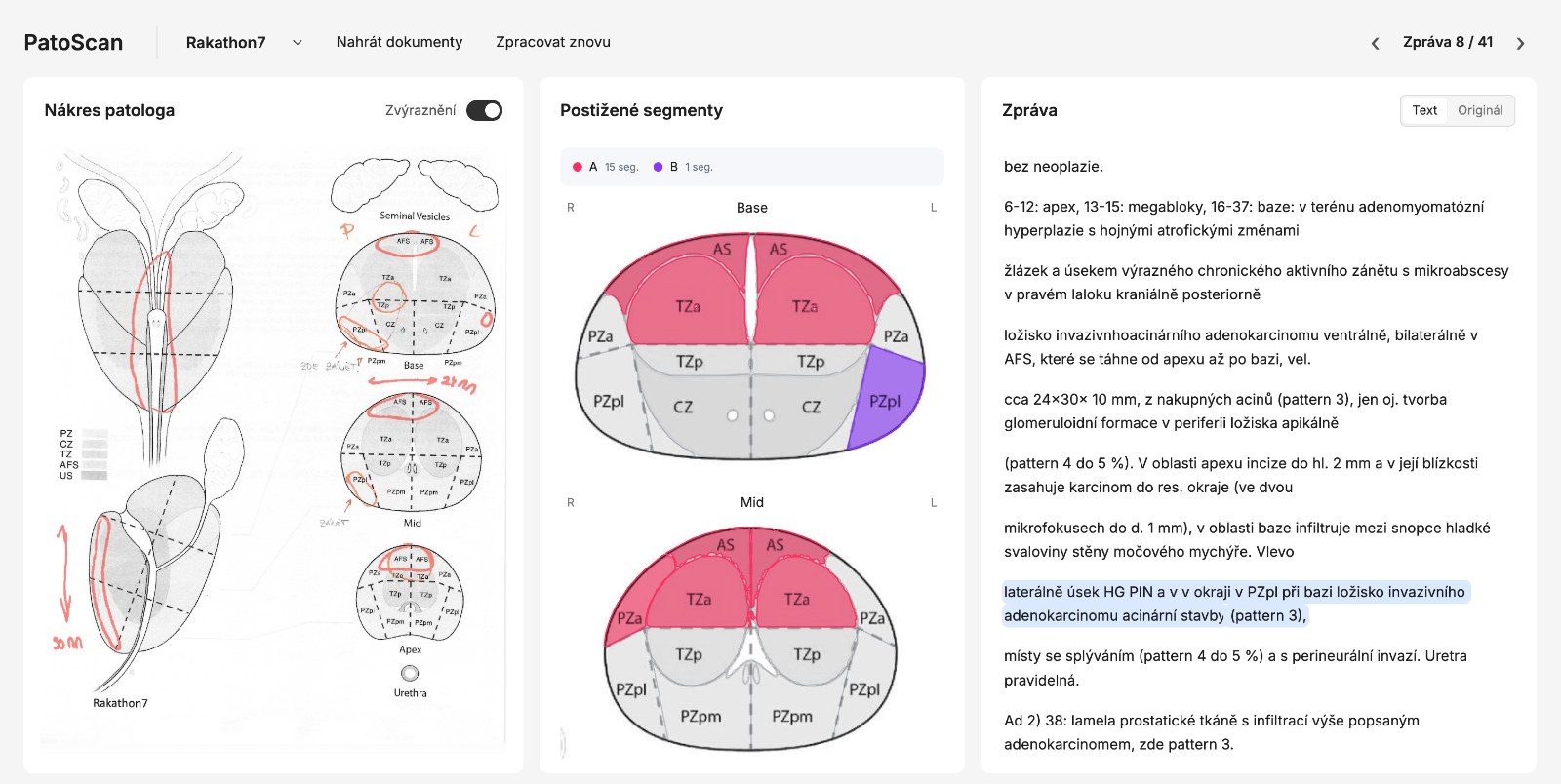
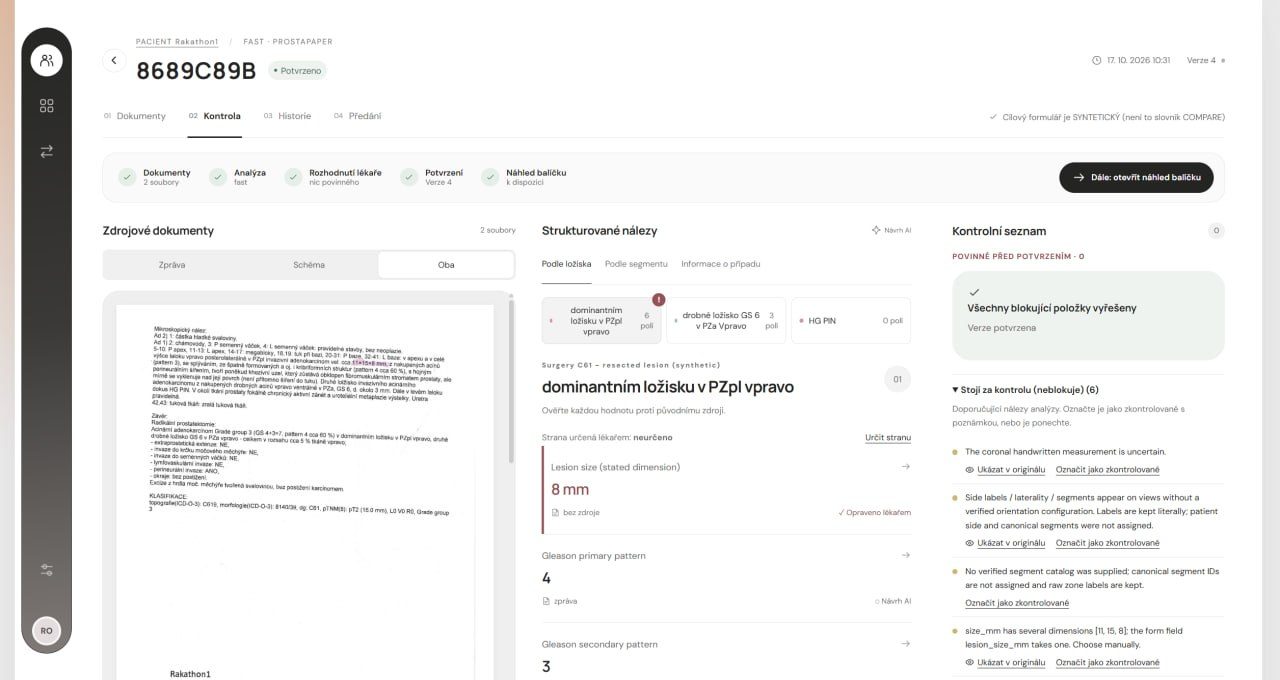
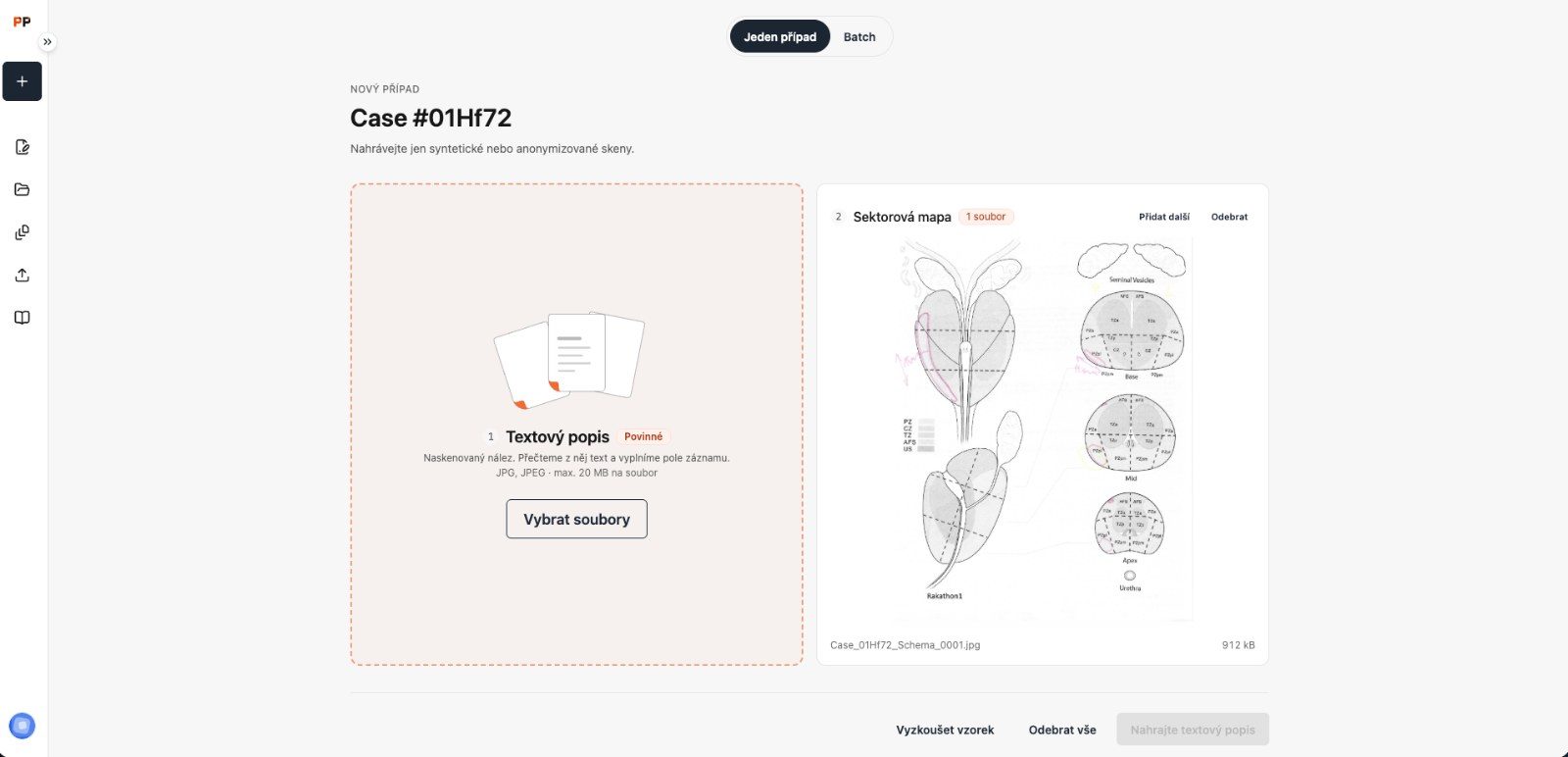
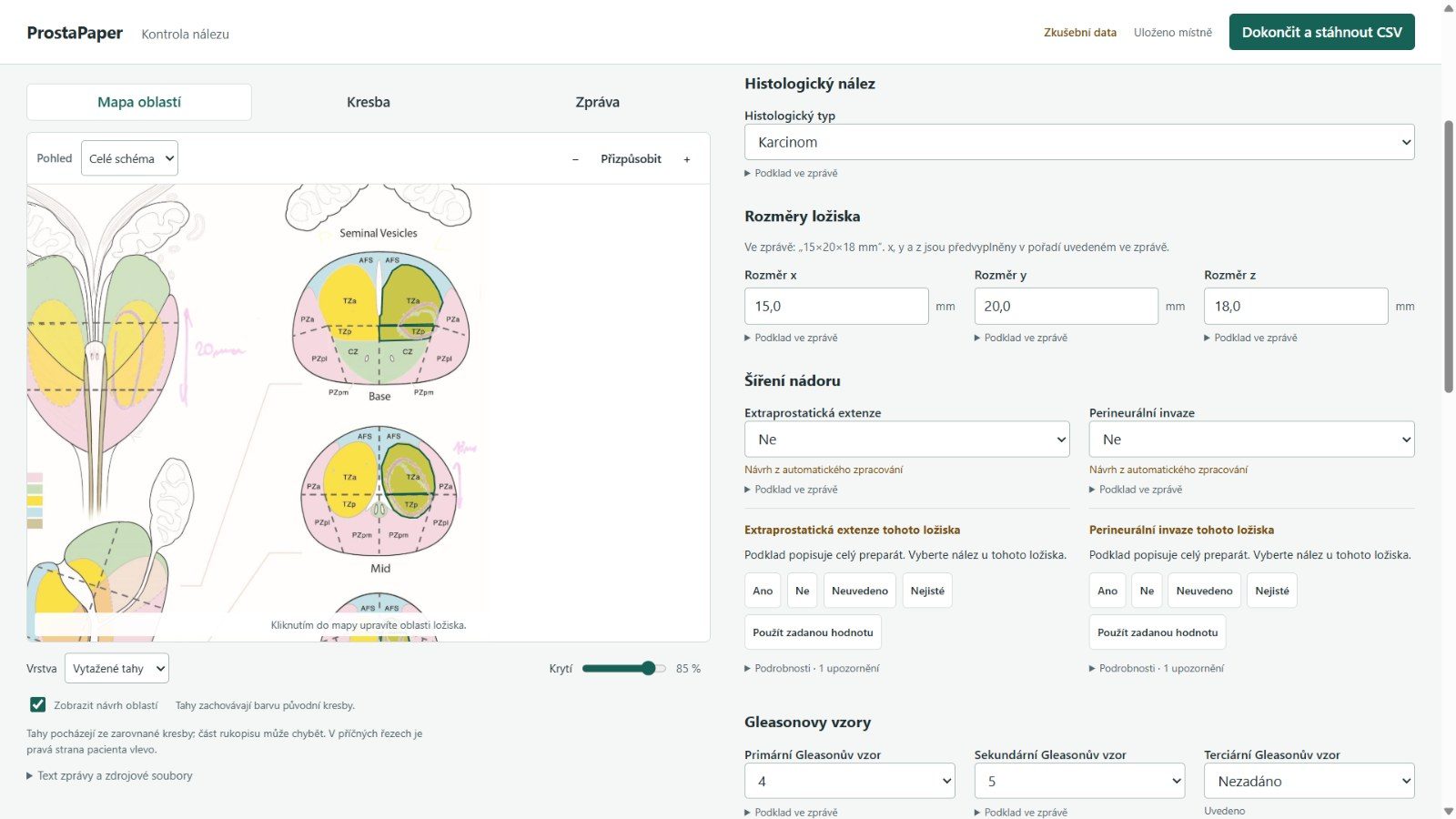
Prostate cancer in data, not on paper. The system converts medical reports and diagrams into data to enable a comparison of histology with magnetic resonance imaging.

A mobile app where parents can store letters, voice and video messages, and photos for their children.

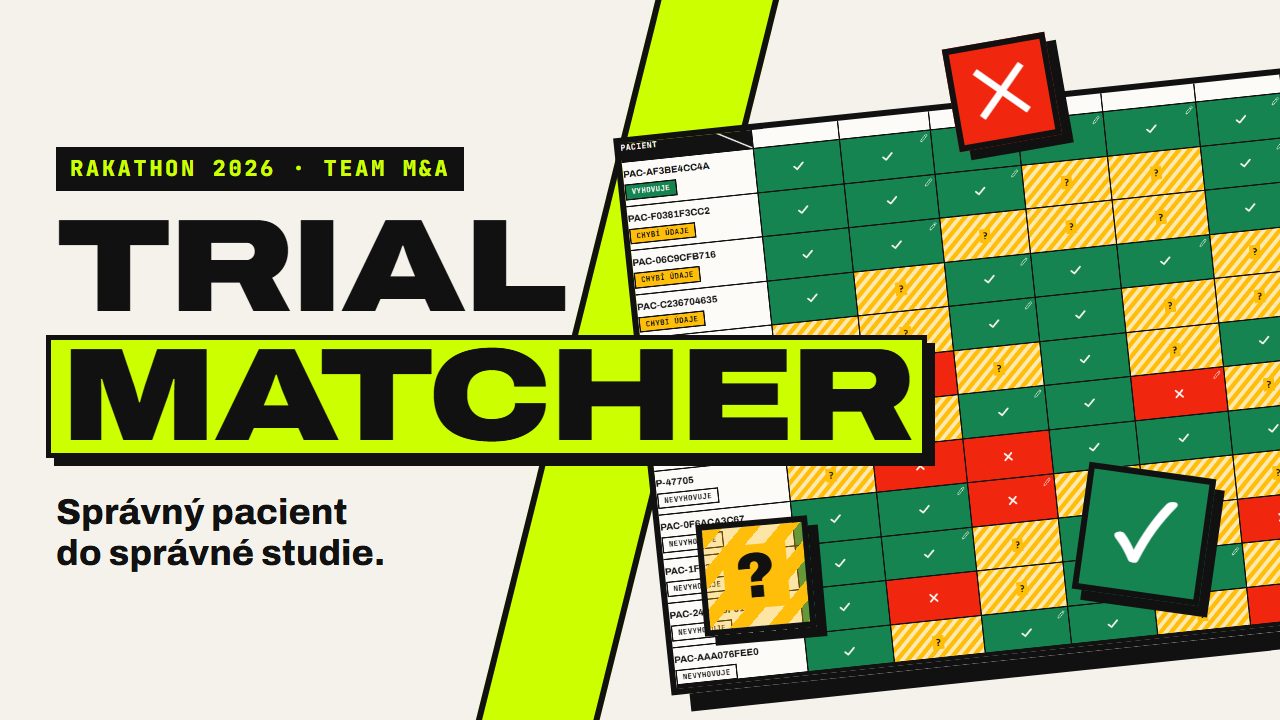
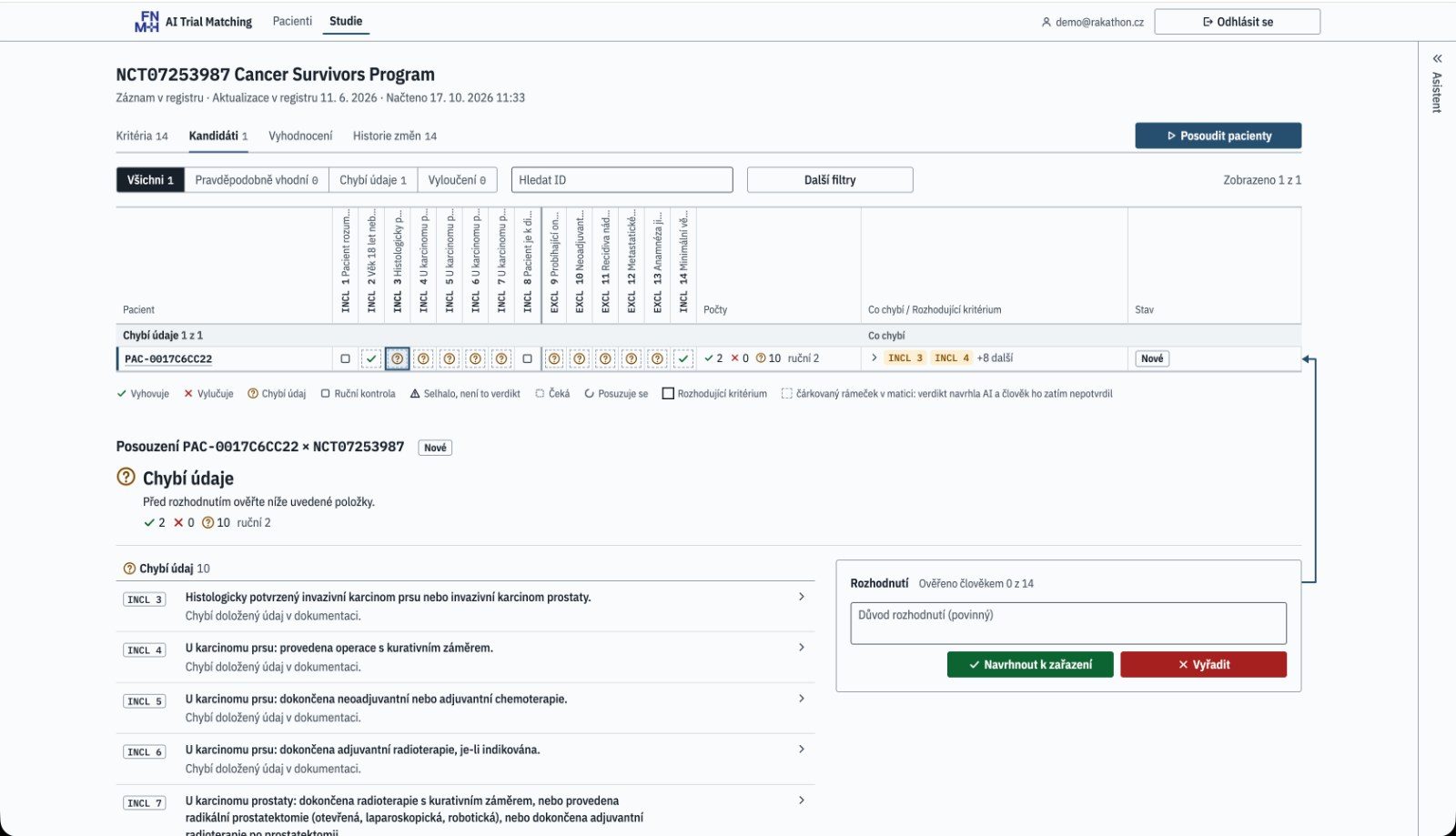
It identifies clinical trials suitable for the patient based on the medical report or a short questionnaire, and prepares a recommendation for the coordinator with a single click.

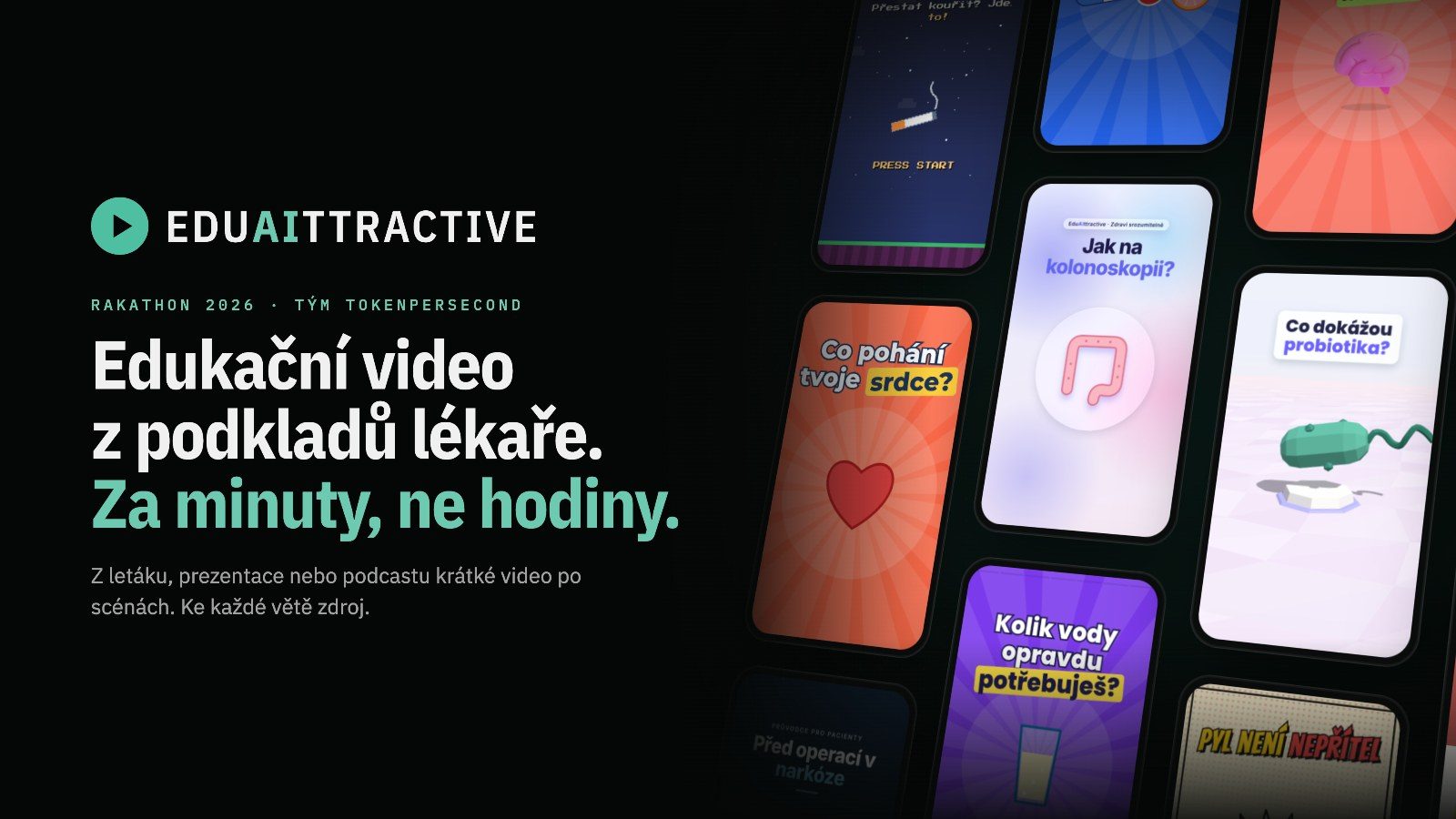
We produce short educational videos from a wide range of sources. We save time for healthcare experts (and others).

AI guide for cancer patients at Ostrava University Hospital: it provides sensitive responses based solely on approved FNO materials, whilst the rules ensure that warning signs are monitored.

An AI assistant for oncology teams that processes documentation, prepares materials to support decision-making, and facilitates the organisation and minutes of MDT meetings.

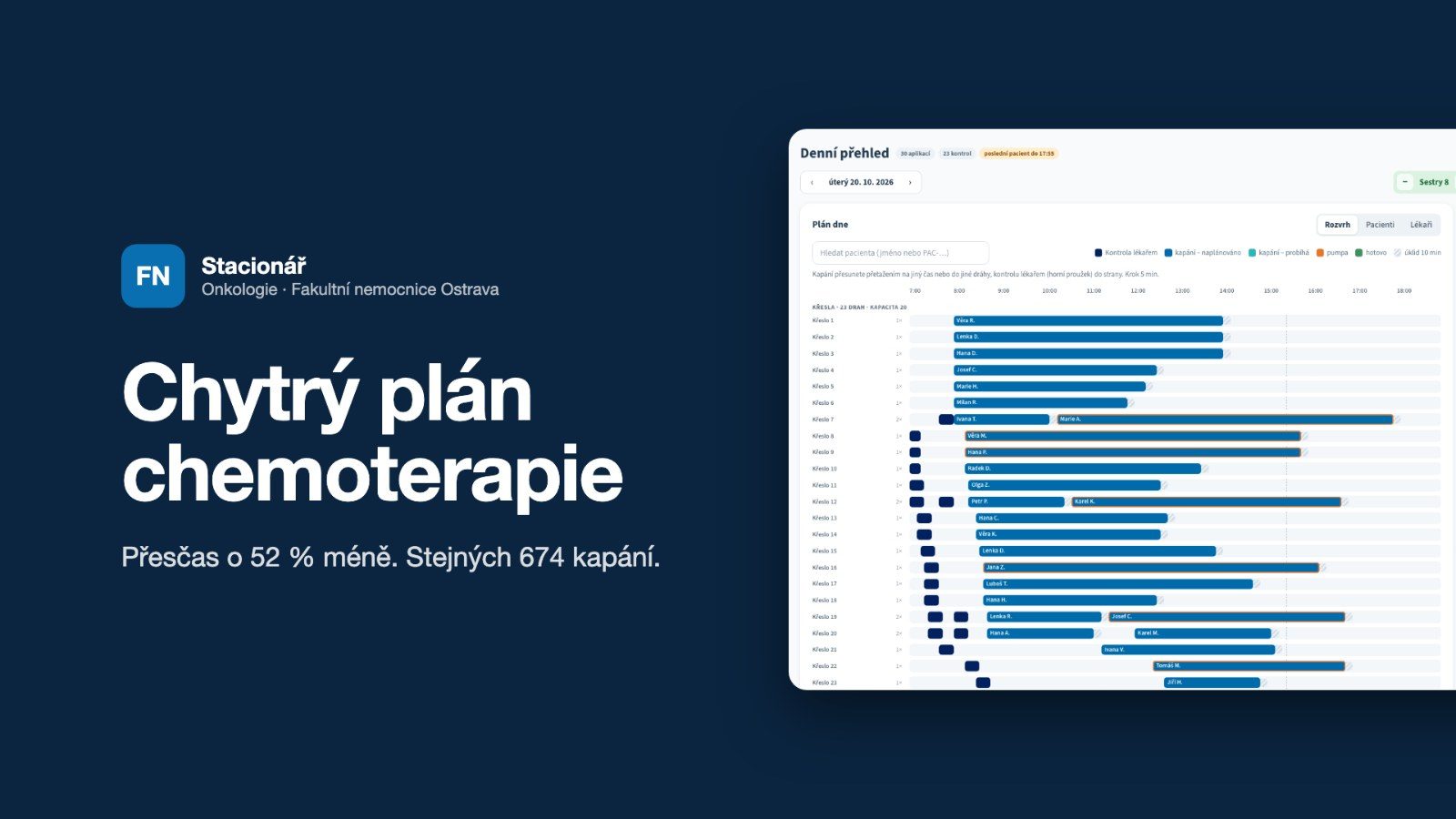
Chemotherapy scheduler for the FNO outpatient clinic. It allocates patients to days and times to avoid peak periods, and patients know exactly when to arrive.

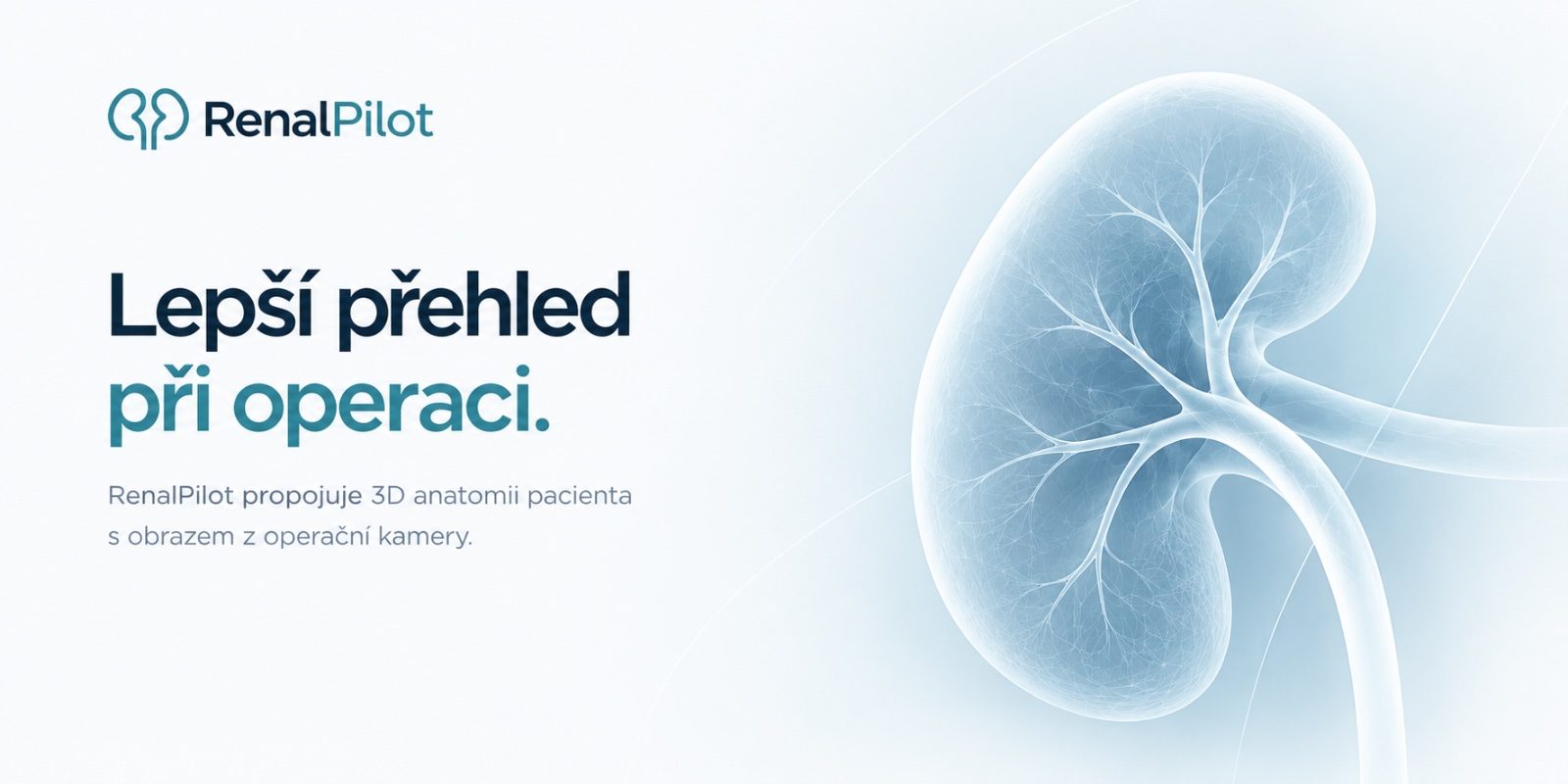
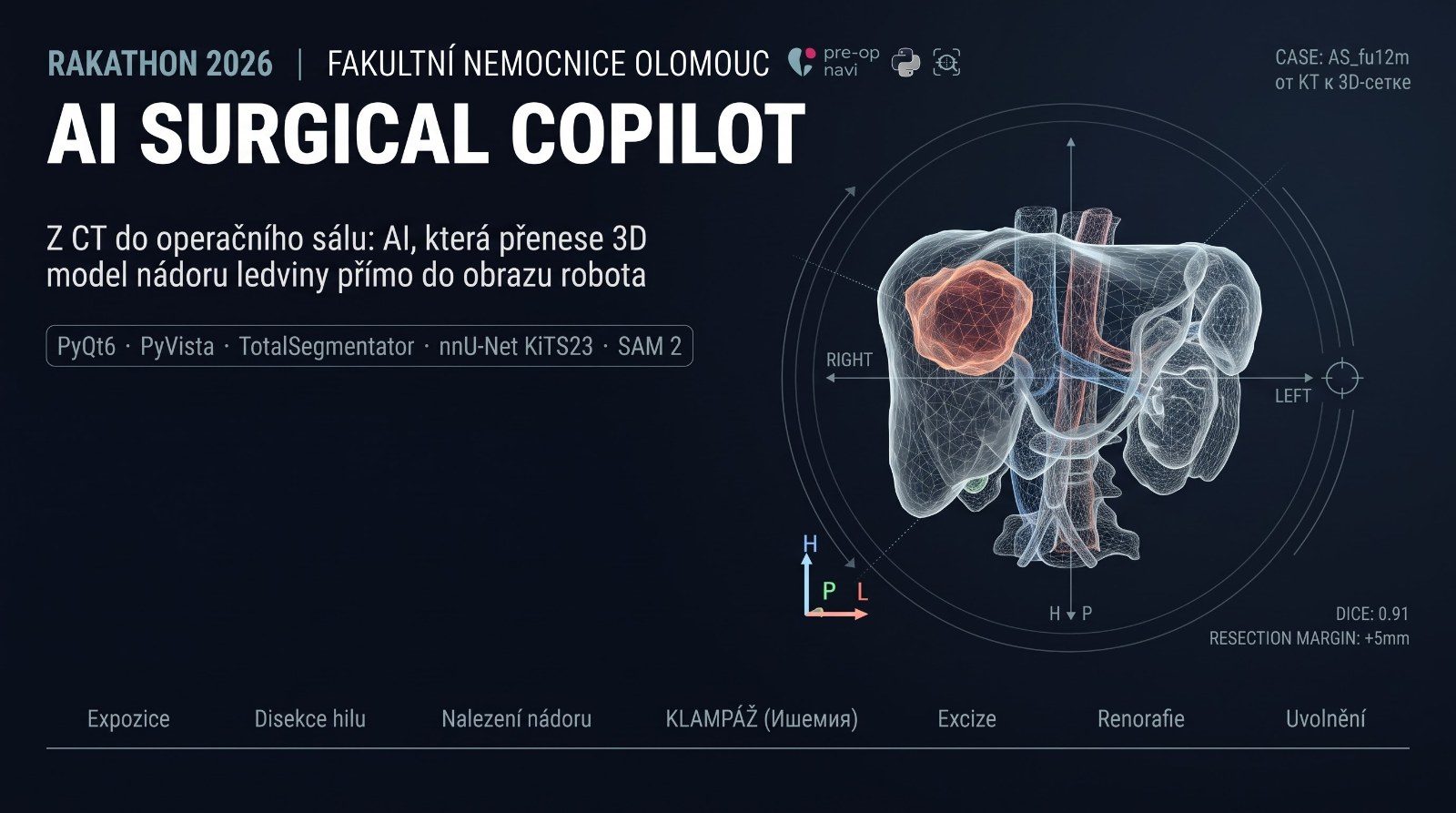
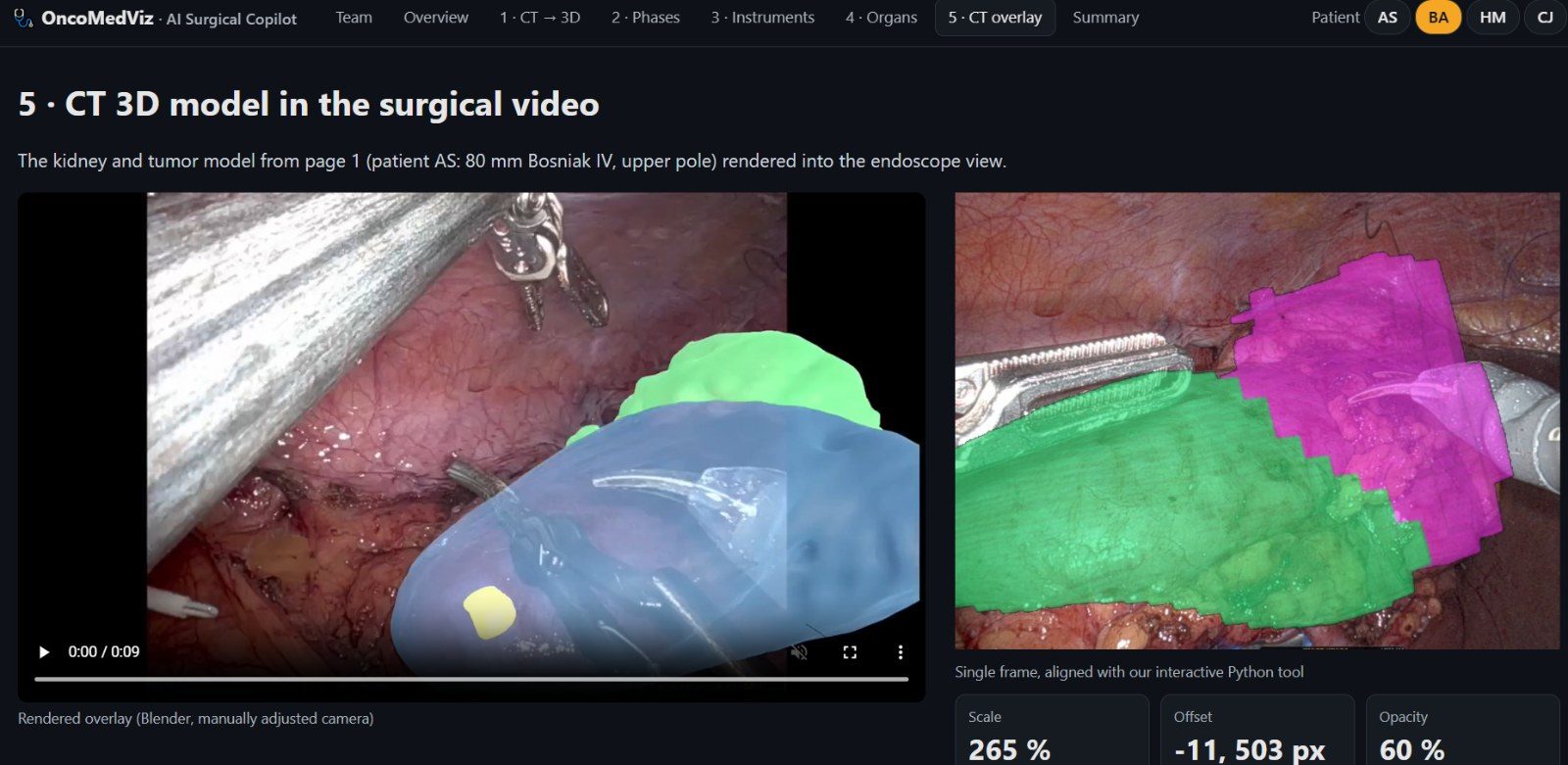
Visualisation and localisation of a kidney tumour, and a generated descriptive guide for teaching tumour surgery

We use AI to predict participation in mammography screening and propose targeted outreach to different groups of women

Built an ML solution to predict missed mammography appointments, segment risk, and recommend interventions to improve screening attendance.

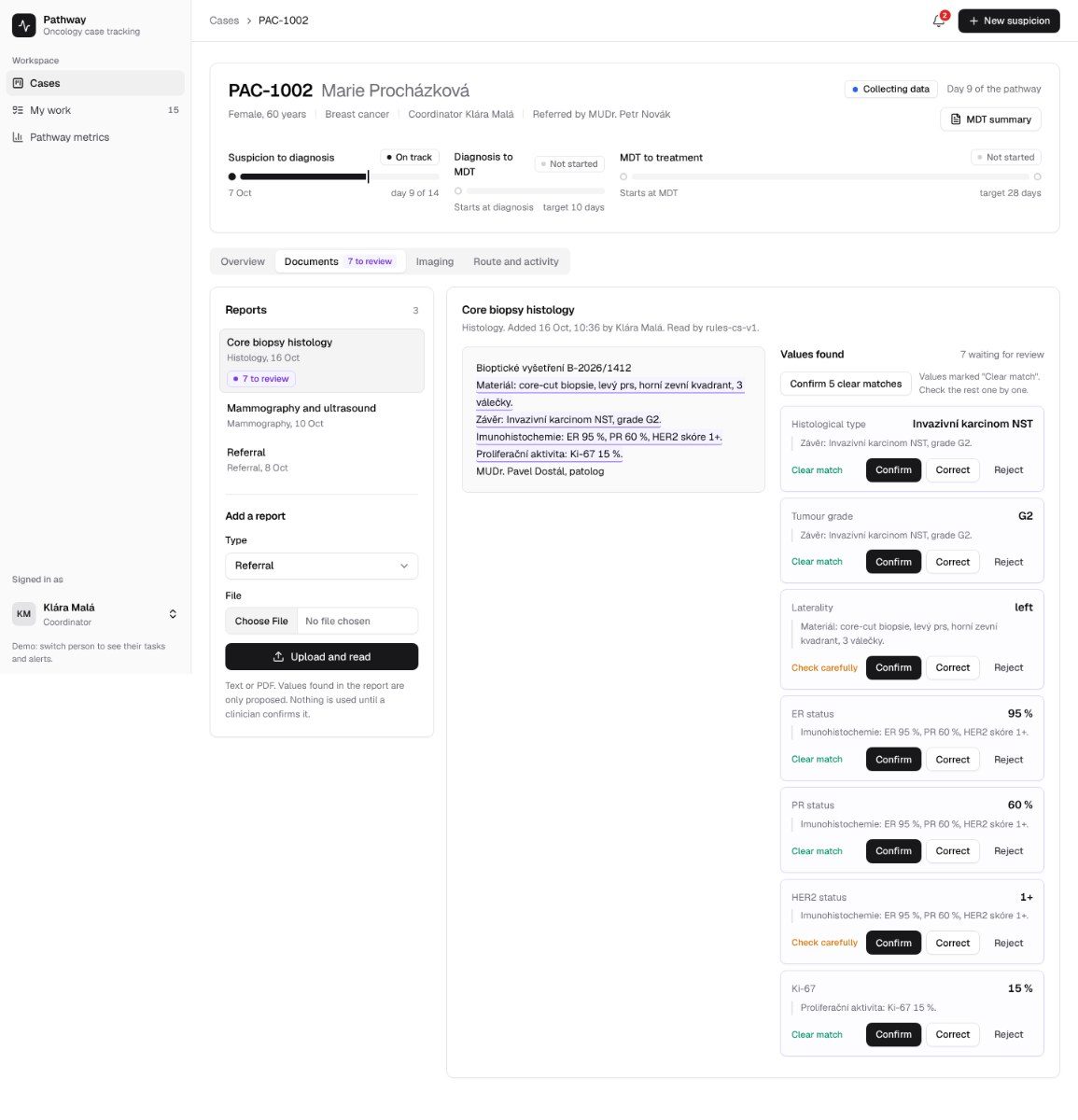
One shared case per cancer patient: cura. reads reports, turns gaps into tasks with deadlines and gives each mammogram an AI second look.

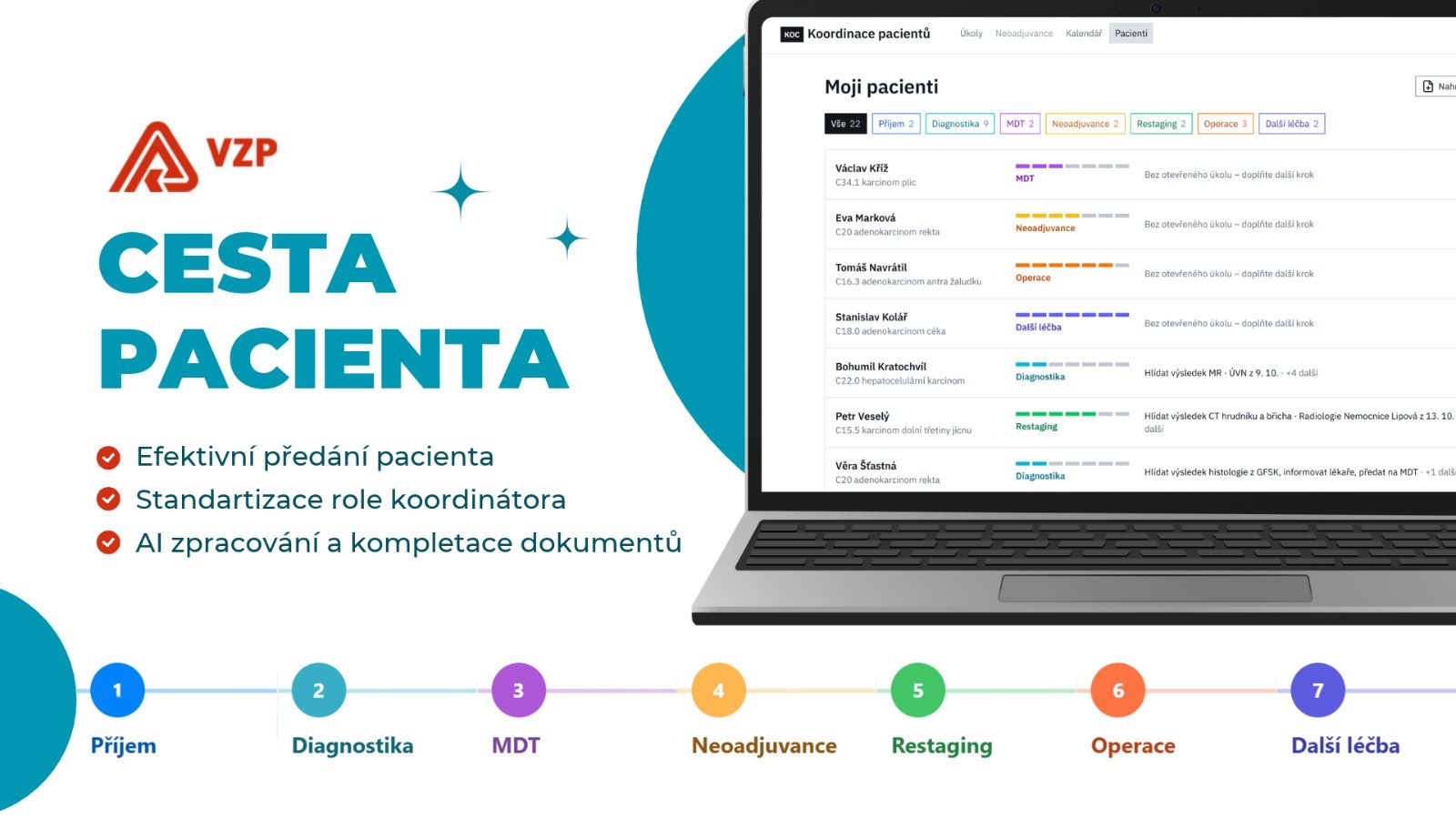
The ‘Patient Journey Without Loss of Information’ initiative. The ‘coordinator’ reviews the diagnostic pathway as set out in the Blue Book and decides on the next steps accordingly.

An AI tool for oncology: it identifies clinical trials that a patient is eligible to join, and finds patients who can be enrolled in a trial.

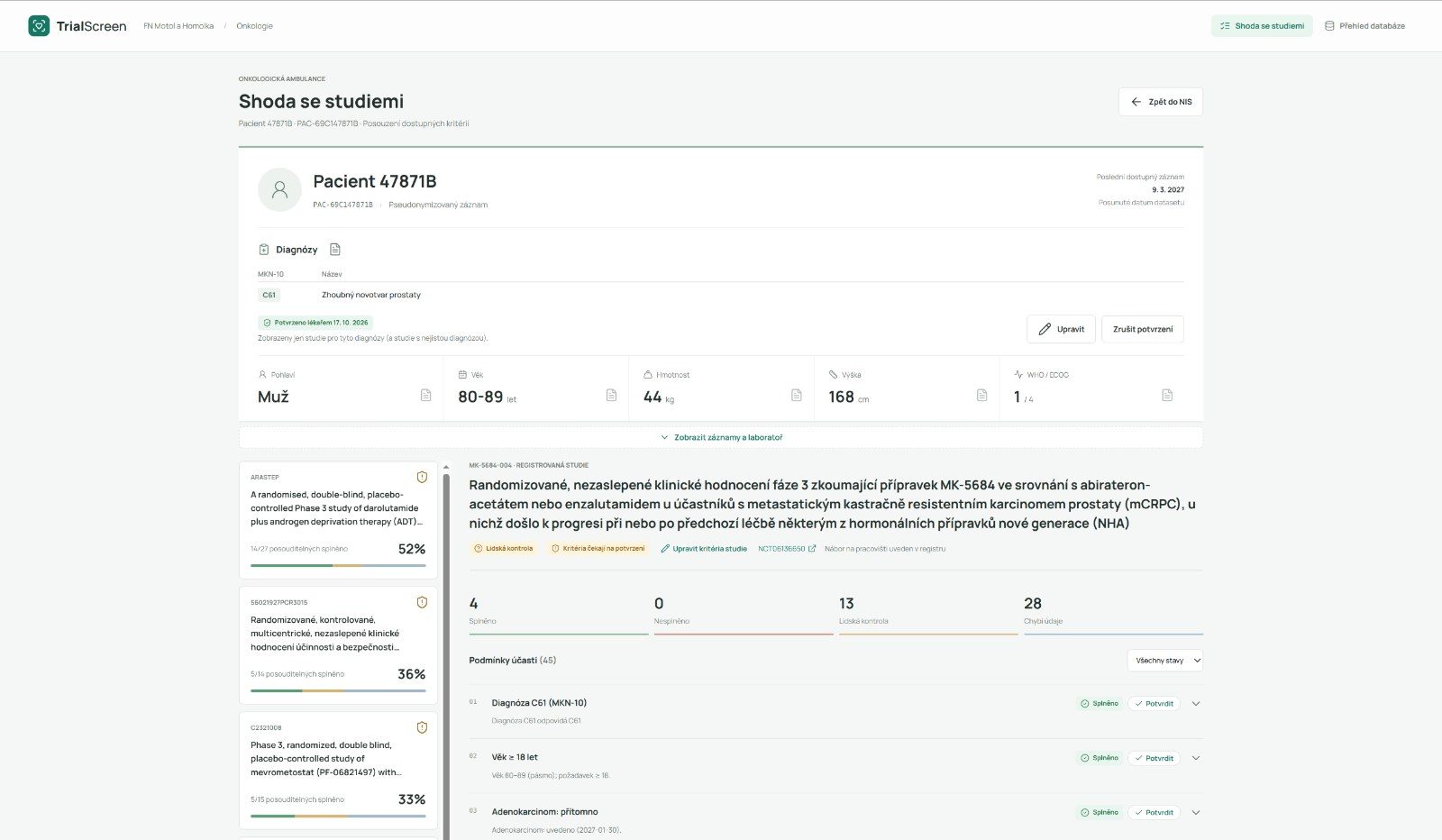
TrialScreen is an NIS add-on that helps doctors match suitable patients with ongoing trials.

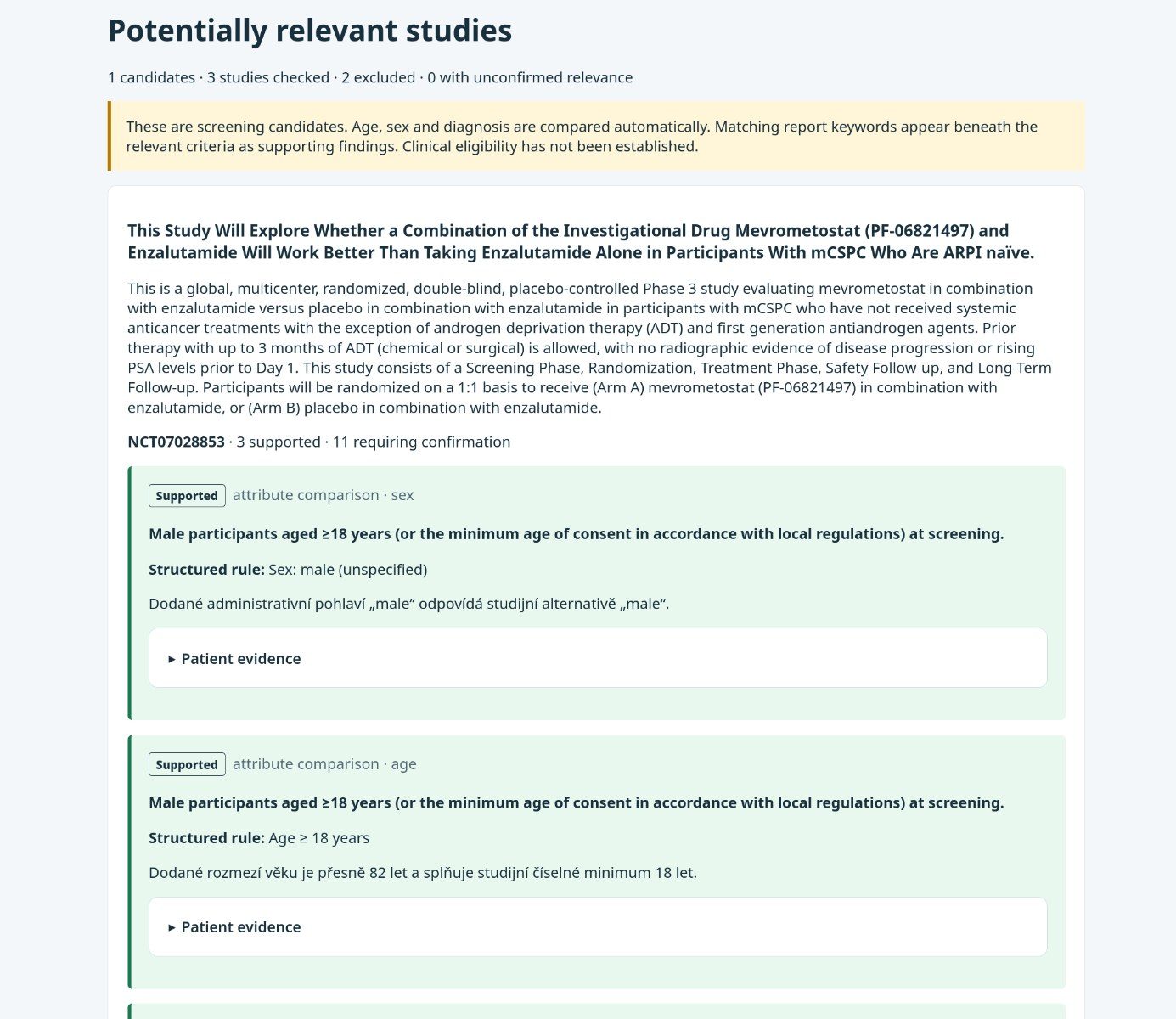
API for matching patients and clinical trials: FHIR, InterSystems and citations from medical reports; the doctor has the final say.

Avicenna connects patients with relevant clinical trials, helping doctors discover research opportunities across Europe and beyond.

An interactive tool that connects doctors, a monitoring centre and carers with patients, with a focus on safety and without the use of the cloud.

AI navigator for cancer patients between visits: a safe next step for the patient, a timely alert and a 30-second summary for the doctor

Cancer patients report symptoms daily; explainable AI-assisted triage alerts the clinic to serious side effects, not every minor one.

A secure and accessible guide for cancer patients: they report any problems by voice or text, and the doctor is notified in good time. The data remains within the hospital.

Mezzi compiles a questionnaire on side effects for the patient based on their prescribed medicines, and the doctor has this available as a clear summary before the check-up.

AI that puts together a team based on a research project description and finds a grant for it. Every recommendation has a traceable source.

OncoBridge consolidates oncology records and patient questionnaires into a source-cited document so that the MDT can focus on decision-making.

A ready-to-deploy, modular coordination platform for patients, doctors and coordinators.

We help doctors identify unusual care pathways by comparing similar patients and providing clear visualisations.

AI-powered digitisation of medication history from photos of medicine packs and handwritten notes, with anonymous transmission to doctors via a PIN and checks for drug interactions.

Patients carry inaccurate lists of their medicines. With our service, they simply take a photo of their medicines and the list is securely transferred to the doctor’s computer, where it can be edited.

Take a photo of your medicine boxes or your doctor’s prescription; the AI will transcribe them into a list, and once you enter the code, your doctor will immediately be able to see the medicines and any interactions between them.

PillGaze automates medication management. It minimises transcription errors and saves staff time, whilst making it easier for patients to communicate with their doctors.

The AI platform converts pathological findings and diagrams of tumour sites into structured, doctor-verified data for cancer research.

ProstaPaper přepisuje papírové patologické nálezy a ruční schémata prostaty do strukturovaných dat připravených pro registr REDCap.

Does your pathologist refuse to use a computer? No problem! You’ll never have to enter paper documents manually again. And yet you still have control over the accuracy of the data.

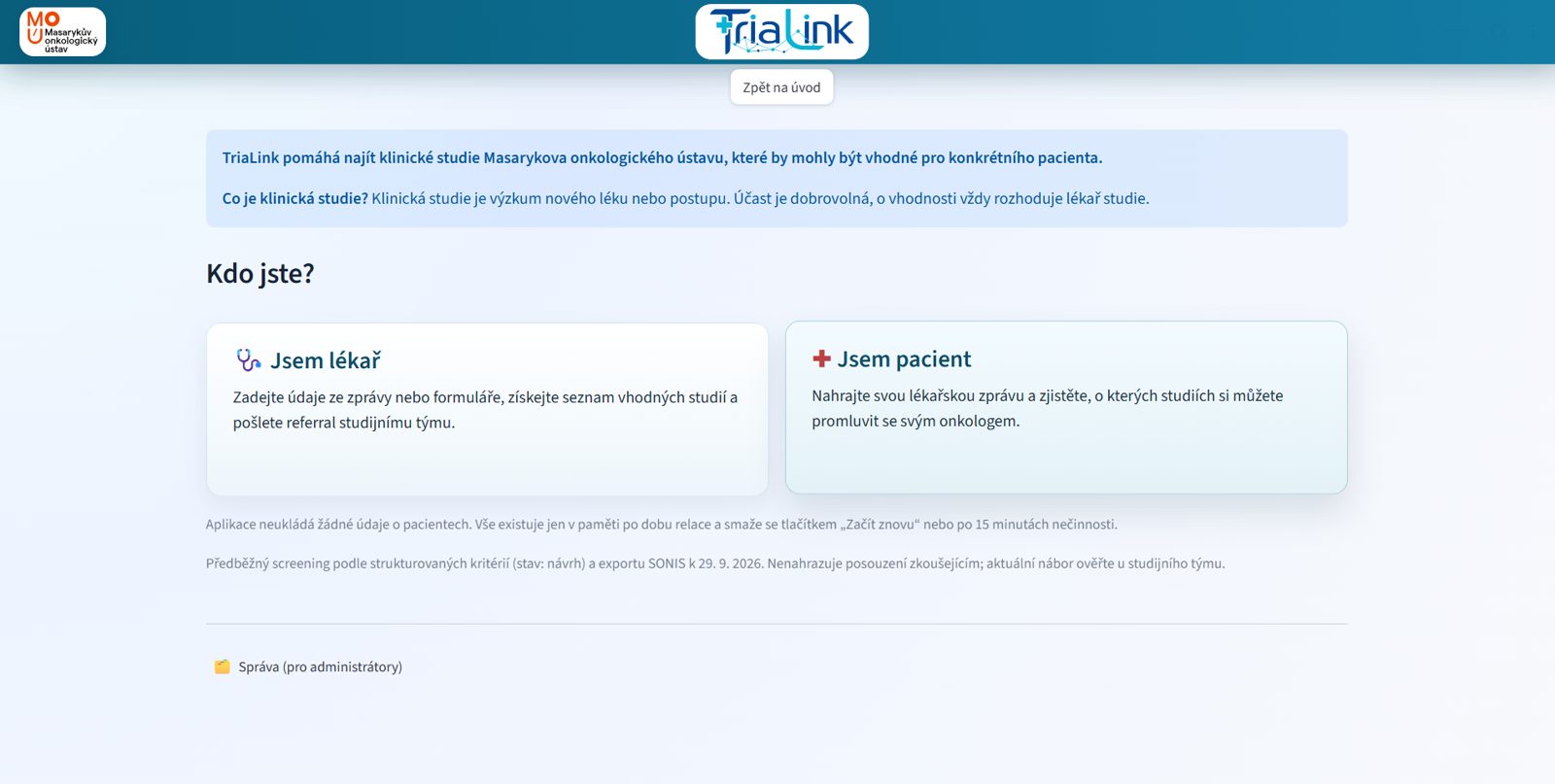
TriaLink uses AI to connect cancer patients with relevant clinical trials and helps doctors assess their suitability.

We’ll create a bespoke patient video based on the specialist documentation: the doctor selects the diagnosis and patient group, the AI suggests scenes, and the doctor approves them.

It helps to identify women based on their likelihood of not attending mammography screening and to suggest preventive support.

Shared oncology case – AI compiles a report for the MDT from the medical records, citing the source for each value; the doctor confirms it, and the GP views the result.

A clear and reliable guide for patients with multiple myeloma.

The AI will use scattered documentation to prepare background material for the oncology team: for each piece of information, it will provide a verified citation, highlight any discrepancies and identify any missing data.

A meeting that never lies. Every word has a source, every contradiction is plain to see, and the case speaks for itself when the result the team has been waiting for arrives.

NORex is a tool for extracting data from medical records and subsequently exporting it to the NOR (National Cancer Register) and to the FHIR database.

AI NOR completes the report for the cancer registry based on the patient’s medical records, citing the source. The doctor confirms the report, and the data is stored in InterSystems IRIS FHIR.

We help surgeons navigate more effectively when removing tumours by linking the patient’s 3D anatomy with the image from the surgical camera.

Co-pilot for kidney surgery: a 3D plan based on pre-operative CT scans, monitoring for ischaemia and bleeding during surgery, and an automatic post-operative protocol.

The surgical AI co-pilot converts CT scans into a 3D model and projects it onto the da Vinci console to enable the precise removal of a kidney tumour whilst preserving healthy tissue.

AI Surgical Copilot links the preoperative CT with the surgical video in robot-assisted partial nephrectomy.